Phoenix, AZ
Roof Replacement in Phoenix, AZ: Talk to Local Pros Today
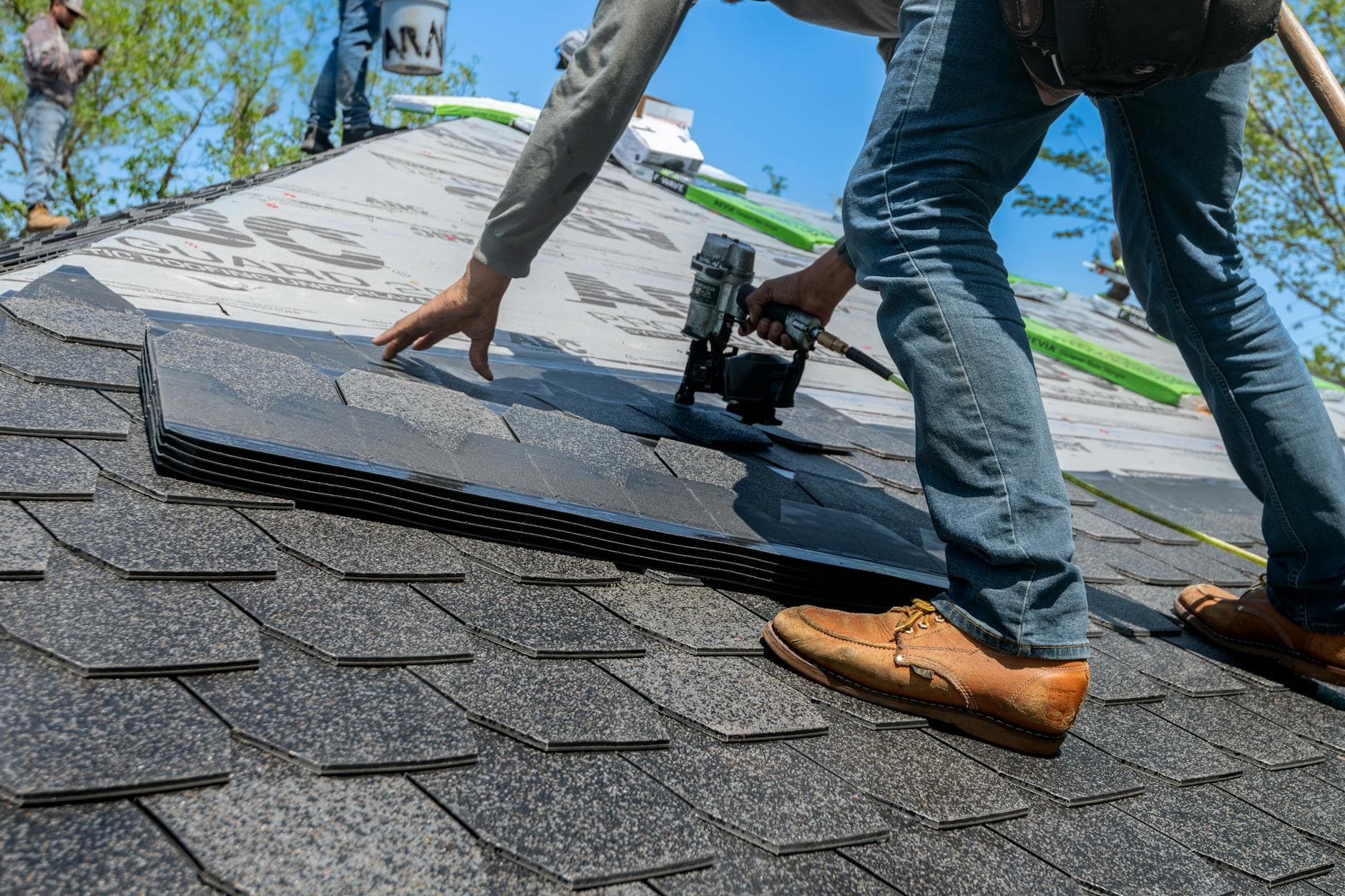
Full roof replacement for asphalt shingle, metal, tile, or flat systems: tear-off, decking inspection, underlayment, and new covering installed by a local crew.
Phoenix roofs face the worst UV exposure of any U.S. market. Asphalt shingles age 30 to 40 percent faster here than in Boston.
Profile your project, get a tailored checklist, and meet Phoenix pros who specialize in your exact scope.
Roof replacement in Phoenix, AZ is a local-code, local-climate, and local-labor-market decision. We connect Phoenix homeowners to a roofer in our network who handles your scope and timeline, by phone.
Roof replacement in Phoenix is a heat, monsoon, and tile-vs-flat decision
Replacing a roof in metro Phoenix is unlike a roofing job in any humid or hail-belt market. The Valley sits in the hottest sustained climate of any U.S. metro: July and August daytime highs routinely exceed 110°F, attic temperatures climb past 160°F, and the southwest summer monsoon adds 50–70 mph microburst events plus the rare 1"+ hail cell from June through September per the NOAA Storm Events Database. The combination shortens asphalt-shingle service life dramatically, makes ventilation a primary spec rather than an afterthought, and routes a meaningful share of Valley homeowners toward clay or concrete tile, stone-coated steel, or low-slope flat systems instead.
The dominant roofing question in Phoenix is not "what shingle?" — it's "what material and what install for this specific climate?" The wrong call costs a homeowner 10+ years of lifespan and a meaningful chunk of summer cooling load.
If your Phoenix-area roof is past 12 years old (asphalt) or 25 years old (tile/foam) and hasn't been inspected since the 2024 monsoon season, talk to screened Phoenix replacement pros — most network contractors offer a written inspection and a no-obligation replacement scope.
Why Valley roofs wear out
Four local conditions compress the useful life of an unspecified roof in metro Phoenix:
- Extreme UV and heat. The Valley receives more high-UV days per year than any other major U.S. metro, and the sustained heat layered onto that load thermally cycles every roofing material harder than anywhere else in the country. Asphalt shingles dry, granulate, and curl earlier; tile underlayment degrades faster; sealant systems on flat roofs require a different specification than Midwestern or coastal builds.
- Summer monsoon and microbursts. From mid-June through September the Valley sees frequent 50–70 mph microburst events with occasional severe-storm cells. Tile dislodgement is the dominant claim driver after monsoon events — wind-uplift on improperly fastened tile is the textbook failure mode in Scottsdale, Paradise Valley, and northern Phoenix neighborhoods.
- Dust and haboob events. Large dust storms (haboobs) deposit fine sediment that accelerates degradation of older single-ply membranes and clogs gutters and scuppers. Annual cleaning matters more here than in most metros.
- Hard freezes. While rare, 1–3 hard freezes per winter put thermal cycling stress on tile and asphalt that didn't get the chance to recover between summer extremes.
The combined effect: a generic 110-mph asphalt roof in Phoenix commonly hits 14–18 years of useful life — significantly less than the same shingle on a Midwestern or Pacific Northwest home. Properly installed clay or concrete tile lasts 50–100+ years on the tile itself, with a planned underlayment "lift and relay" at the 25–35 year mark.
Material recommendations for Phoenix roofs
The right replacement spec depends on roof slope and architectural style:
- Tile (clay or concrete) for steep-slope homes is the Valley standard for a reason. Mediterranean, Spanish Colonial, and most master-planned subdivisions across Scottsdale, Chandler, Gilbert, Mesa, and the Phoenix foothills run on tile. The tile itself lasts 50–100+ years; the underlayment under it does not. Plan an underlayment lift and relay at the 25–35 year mark — most of the cost of "replacing the roof" on a tile home is removing tile, replacing the underlayment, and re-laying the same tile. Verify the contractor uses a high-temperature self-adhered underlayment rated for sustained 200°F+ attic temperatures.
- Stone-coated steel is a strong second choice in Phoenix. Class A fire rated, lighter than tile, longer-lived than asphalt, and increasingly accepted by HOAs that bar exposed-fastener metal. Especially common on Cave Creek, Carefree, and north Scottsdale modern-architecture homes.
- Asphalt shingles still appear across mid-century neighborhoods, 1970s subdivisions, and rental stock. The right spec here is a Class 4 (UL 2218) impact-rated, Class H (130-mph) wind-rated architectural shingle with the lightest available color to reflect summer load. Plan for a shorter functional life than published warranty — Arizona heat is the limiting factor.
- Low-slope flat systems (TPO, modified bitumen, or polyurethane foam) are common on Arcadia mid-century moderns, Sunnyslope ranches, and any home with major flat or shallow-pitch areas. White or light-grey reflective single-ply systems are the right call — they cut peak summer cooling load measurably and meet the Cool Roof Rating Council reflectance thresholds that increasingly drive municipal energy codes.
See our asphalt vs metal roof guide and materials comparison tool for the structured tradeoff.
Phoenix-specific install requirements
Five install items are non-negotiable in this climate:
- High-temperature underlayment. The default 30-pound felt or low-temperature synthetic underlayment commonly used in cooler climates does not survive Phoenix attic temperatures past 8–12 years. Specify a self-adhered modified bitumen or high-temperature synthetic underlayment rated for sustained 200°F+ exposure — this is the single most consequential spec on a Valley tile re-roof.
- Permits. The City of Phoenix requires a residential roofing permit for tear-off and re-roof projects, with an inspection at decking exposure on tile lift-and-relays. Scottsdale, Mesa, Chandler, Gilbert, Tempe, Glendale, Peoria, and Surprise all enforce parallel requirements through their respective building departments. No legitimate Valley roofer skips this.
- Tile fastening pattern. Wind-uplift on improperly fastened tile is the most common Valley claim driver after monsoon events. The contractor should follow the manufacturer's high-wind nailing or screw-down pattern, supplemented by foam adhesive on perimeter and ridge courses. Confirm this in the written scope.
- Reflective and ENERGY STAR shingles. For asphalt installs, specify Energy Star certified roofing products in the lightest acceptable color. The summer cooling-cost reduction is real and routinely covers the upgrade premium inside 4–6 years. Some products qualify for federal energy-efficiency tax credits.
- Decking and rotted-wood inspection. Older Sunnyslope, Arcadia, and central Phoenix homes can have plank decking with degradation around skylights, swamp coolers, and roof-mounted HVAC penetrations. Cooler penetrations are the textbook leak point — the replacement is the time to address.
Neighborhoods we replace roofs in
Demand patterns vary across the Valley:
- Scottsdale, Paradise Valley, and Cave Creek — tile re-roofs and underlayment lift-and-relays dominate. Stone-coated steel is gaining share on modern-architecture renovations. Tile dislodgement claims after monsoon events drive much of the work.
- Arcadia, Biltmore, and central Phoenix — mid-century homes with flat or shallow-pitch sections. Typical replacement is TPO or polyurethane foam on the flat portions with tile or asphalt on any pitched areas, white or light-grey reflective coating throughout.
- Chandler, Gilbert, Tempe, and Mesa — 1990s–2010s master-planned subdivisions, mostly tile, hitting the 25–35 year underlayment lift-and-relay window now. High demand for high-temperature underlayment specification.
- Glendale, Peoria, and Surprise — newer asphalt and tile across northwest Valley growth corridors. Asphalt roofs from the early 2000s are starting to need replacement; specify Class 4 impact-rated and the lightest acceptable color.
- Sun City, Sun Lakes, and Apache Junction — large 55+ communities with asphalt and tile inventory hitting end of life. HOA documentation requirements often add a permit-and-spec review step before any work begins.
Insurance and roof replacement in Arizona
Arizona requires prompt notice on storm-damage claims and most major carriers maintain Arizona-specific endorsements covering monsoon wind and rare hail events. The Arizona Department of Insurance and Financial Institutions publishes consumer guidance on filing roof claims. File within the carrier's stated notice window after any monsoon event; documented tile dislodgement and obvious wind uplift are the strongest claim triggers in this market. See our guides on does insurance cover roof replacement, roof insurance claim deadlines, and the homeowner adjuster meeting checklist for the full sequence.
If you have visible monsoon damage or a denied claim, our network includes Valley contractors experienced in carrier negotiations and the Arizona appraisal-clause process. Document everything in writing.
What to expect from a network match
Every Phoenix-area contractor in our network carries an active Arizona Registrar of Contractors license, general liability insurance, and a clean background check before any homeowner lead reaches them. We ask network partners to re-confirm license and insurance annually. Match flow: tell us about your project, we route the lead to up to three Valley pros who specialize in your material and damage profile (tile, asphalt, stone-coated steel, flat) and you collect written quotes on the same scope before deciding. See our Phoenix city hub for the full local match and contractor-screening context, and our editorial policy for the sourcing standard behind this page.
Neighborhoods we serve
- Scottsdale
- Tempe
- Mesa
- Chandler
- Gilbert
- Glendale
- Paradise Valley
- Ahwatukee
Other services in Phoenix
Roof Repair in Phoenix
Roof Repair from local Phoenix pros.
Storm Damage in Phoenix
Storm Damage from local Phoenix pros.
Flat Roofing in Phoenix
Flat Roofing from local Phoenix pros.
Metal Roofing in Phoenix
Metal Roofing from local Phoenix pros.
Roof Inspection in Phoenix
Roof Inspection from local Phoenix pros.
Roof Replacement in nearby cities
Related guides and tools
Talk to local roof replacement pros in Phoenix
Talk to a Phoenix roof replacement pro who handles full and partial replacements.
Under a minute. One local pro, not 12.
Lead-routing service. Calls may be recorded.