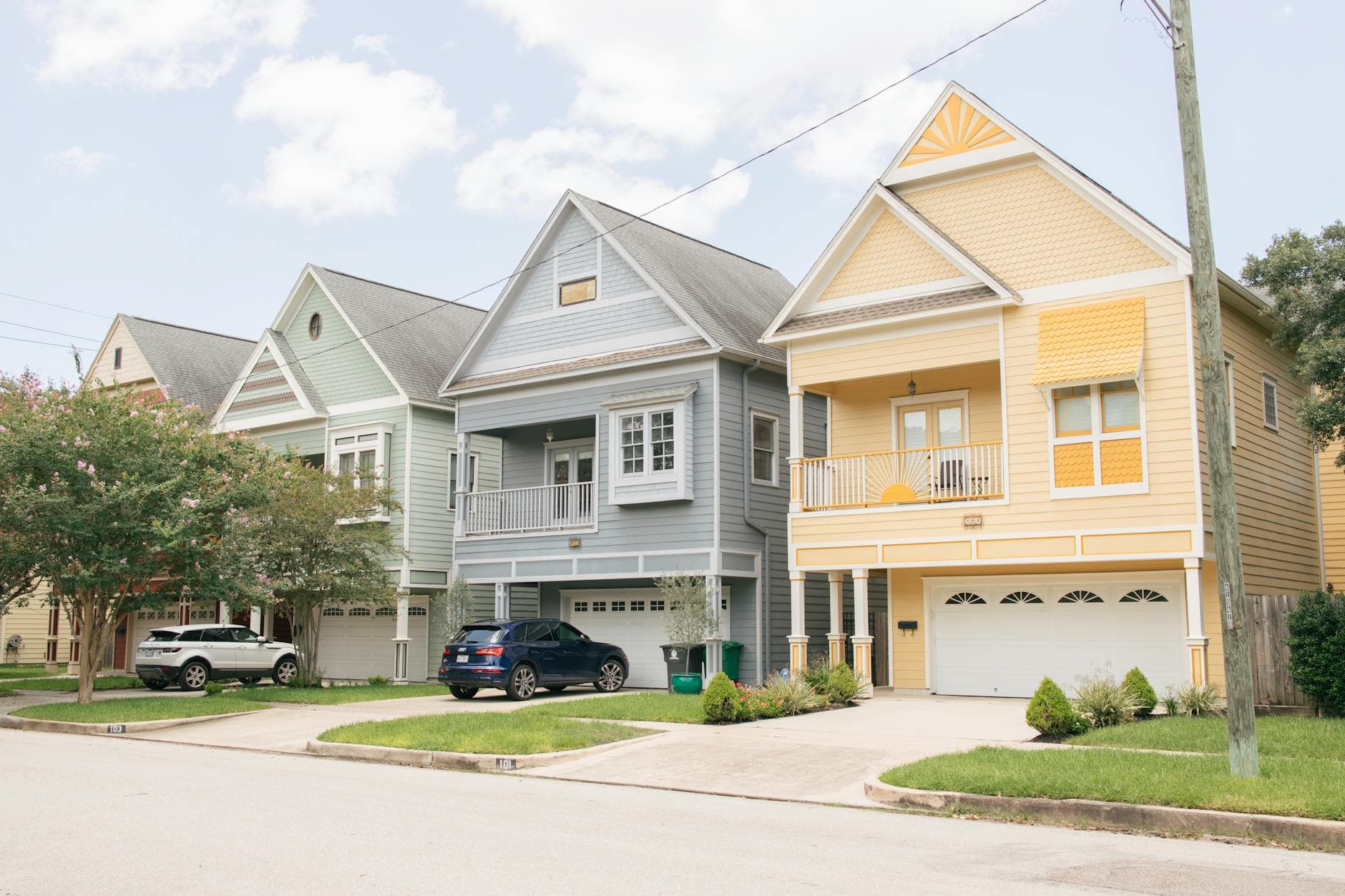
Houston metro
Roofing Contractors in Houston, TX
Local roofing pros in our network serving the Houston metro. Hot, humid summers and frequent storms drive asphalt-shingle replacement demand, and our network is staffed for that scope.
Houston market snapshot
The Houston metro is home to 7,142,603 residents and 2,760,561 housing units, a mostly asphalt-shingle market. Hot-humid summers and tropical-storm exposure shorten the typical replacement cycle to 18 to 25 years.
Our Houston contractor network is growing each week.
Roofing in Houston
Roofing in Houston, TX is shaped by the local hot-humid storm-belt climate and the age of the housing stock. Local Roofing Help connects Houston homeowners to a roofer in our network by phone, with no web form and no resold leads.
Roofing in Houston has one job before any other: survive the next named storm. The metro sits inside NOAA's Atlantic hurricane basin and the Texas Department of Insurance windstorm catastrophe area, and every roofing decision (material, fastener pattern, deck attachment, underlayment) answers to that. Most homeowners we connect to roofers ask for two things on day one: a contractor who carries license and insurance and knows local wind-zone code, and a fast connection without the price-anchor games. That is what this hub is built around.
If your roof is past 15 years old, has lost shingles in a recent gust event, or hasn't been inspected since Beryl in 2024, talk to Houston roofers in our network. Most network pros offer a post-storm inspection and a written report you can use with your carrier.
Storm-claim window activeWhat's different about roofing in Houston
The Houston metro covers Harris, Fort Bend, Montgomery, Brazoria, and Galveston counties, a coastal-prairie footprint where every roof is a wind-rated structure first and a design statement second. Three forces dominate roofing decisions here:
- Wind uplift. The City of Houston enforces the International Residential Code with state-amended wind provisions; coastal counties layer in the TDI windstorm certification program (form WPI-8), required for insurability south and east of the 405-MPH wind-zone line. New roofs in those zones must be installed by a TDI-appointed inspector or qualified roofer and pass wind-load inspection before the WPI-8 issues. Without it, Texas Windstorm Insurance Association coverage isn't available.
- Heat and humidity. Average summer attic temperatures push 130–150°F. Asphalt shingles in the metro routinely shave 10–20% off published lifespans because of UV and thermal cycling, confirmed by NRCA field studies and visible in granule loss in any Heights or Bellaire gutter. Attic ventilation is not optional; it's the difference between a 25-year roof and a 17-year one.
- Roof-type asphalt-shingle dominance. Around 85% of residential roofs in the metro are 3-tab or architectural asphalt. The remainder is tile in master-planned suburbs (parts of Sugar Land, The Woodlands), standing-seam metal on contemporary builds and modern farmhouses, and TPO/modified bitumen on flat-deck additions and bungalows. Material selection in Houston should weight wind rating (Class H or 130-mph minimum) and impact rating (Class 4 for hail credit on the carrier side) above looks.
Neighborhoods we serve
Houston is a sprawl, and roofing demand patterns are neighborhood-specific:
- The Heights and Montrose: older bungalows, steep pitches, frequent flat-deck additions over rear extensions. Common job: tear-off asphalt over original board sheathing, decking inspection, and ice-and-water shield around the chimney and dormers.
- Memorial and Bellaire: larger 1990s–2000s asphalt roofs hitting end of life now. Common job: 25–35 sq architectural-shingle replacement plus full ridge ventilation upgrade.
- Katy, Sugar Land, and The Woodlands: master-planned communities with tile and asphalt mixes. Common job: post-Beryl wind-damage repair and partial-replacement insurance claims, plus tile-underlayment "lift and relay" on 25+ year tile roofs.
- Spring and Cypress: younger asphalt roofs but heavy hail exposure. Common job: Class 4 impact-rated upgrade with carrier-discount paperwork.
If your house is in any of those zones and you want to compare a few screened Houston pros, talk to a roofer here.
How we connect Houston homeowners
Our network pros all carry Texas roofing contractor registration where applicable, one million dollars or higher in general liability coverage, current workers' comp, and a 4.0+ aggregated review-score floor. For coastal-county work we route only to TDI-appointed contractors who can issue or coordinate a WPI-8. Connect time is typically under 60 seconds for ZIP-routed leads; first contractor outreach is by live phone transfer when an agent is on call, or callback as fast as an hour.
To pick the right next step:
- For an aging roof or a planning decision, run the roof lifespan estimator. It weights climate (we score Houston as hot-humid + hurricane-coast) against material, install year, and storm exposure.
- For a roof you suspect was hit in the last 12 months, run the storm damage assessor before calling your carrier; a no-charge inspection from a licensed Houston storm damage repair pro saves a denied claim from going on your CLUE record.
- For full replacement planning, the Houston roof replacement page covers material selection, decking and underlayment options, and city-specific permit notes.
Houston roofing services
Every service available in our network operates across the Houston metro. Common requests in this market: roof replacement in Houston, roof repair in Houston, and storm damage repair in Houston. Adjacent metros where we also place leads include Dallas-Fort Worth and inland Texas cities; for new construction or modern-design roofs, see metal roofing.
Hurricane, wind, and hail claims in Houston
Houston's storm-claim mix is unusual. Named-storm wind dominates, with Beryl (July 2024) and the May 2024 derecho both producing widespread shingle loss across Harris, Fort Bend, and Galveston counties. Inland convective storms layer hail damage on top, usually in the 1 to 2 inch range, and microburst wind gusts during summer thunderstorms strip ridge cap on aging 3-tab roofs across the Heights and Bellaire. A single tropical system can register two separate cause-of-loss codes on the same roof.
Two policy details govern recovery in the Houston market. First, the windstorm deductible in TDI catastrophe-area ZIPs is typically a percentage of dwelling coverage, often 2 to 5 percent, and it triggers separately from the all-other-perils deductible. Second, properties south and east of the TDI wind-zone line need a WPI-8 inspection certificate to keep Texas Windstorm Insurance Association eligibility after any roof work that touches the wind envelope. Skipping the WPI-8 forfeits TWIA coverage on the next claim. Our Houston storm damage repair page covers the inspection and claim sequence in detail.
If a recent storm hit your roof, run the Storm Damage Assessor before your carrier sends an adjuster.
FAQ
Do I need a permit to replace my roof in Houston?
Yes. The City of Houston Building Code Enforcement requires a residential roofing permit for any tear-off and re-cover project, with mid-progress inspection before the final shingle layer goes on. Your contractor pulls the permit; verify it's been issued before crews start. Outside city limits, Harris County and the surrounding counties have similar requirements. No legitimate licensed Houston roofer skips this step.
How does the TDI WPI-8 process affect my roof job?
If your home sits in the TDI designated catastrophe area (most of Galveston County and parts of coastal Harris and Brazoria), any roofing work that touches the wind envelope must be performed or inspected by a TDI-appointed contractor or engineer, and the WPI-8 form must be issued before TWIA coverage activates. Skipping it means losing windstorm-insurance eligibility on the property.
Should I file a hurricane-damage claim before or after a roofer inspects?
Inspect first. A post-storm inspection from a licensed Houston roofer gives you a written scope of damage with photos. The adjuster brings their own report; matching the two prevents undercount, and a denied claim still records on your CLUE database for seven years even with no payout. See our guide to whether insurance covers roof replacement for the full process.
Which roof material works for Houston?
For most homeowners: a Class 4 impact-rated architectural asphalt shingle with a Class H wind rating. It's the simplest option for insurability, hail-deductible discounts, and resale. For homeowners staying 20+ years, standing-seam metal is the longer-lifecycle choice at 40–70 years versus 25–30, and handles both wind and heat better. Tile remains the right call for some master-planned subdivisions where HOA covenants require it.
How fast does the qualifier connect me by phone in Houston?
Typical connect time is under 60 seconds via the qualifier on this page. First contractor contact is by live phone transfer when an agent is on call, or callback as fast as an hour. For emergency tarping after a storm, we route to rapid-availability pros first.
Neighborhoods served
- The Heights
- Memorial
- Bellaire
- Katy
- Spring
- Sugar Land
- The Woodlands
- Montrose
Services available in Houston
Roof Replacement in Houston, TX
Roof Replacement services from local pros.
Roof Repair in Houston, TX
Roof Repair services from local pros.
Storm Damage Roof Repair in Houston, TX
Storm Damage services from local pros.
Flat and Low-Slope Roofing in Houston, TX
Flat Roofing services from local pros.
Metal Roofing in Houston, TX
Metal Roofing services from local pros.
Roof Inspection in Houston, TX
Roof Inspection services from local pros.
Nearby and related markets
What Houston homeowners ask
How Much Does a New Roof Cost
Why a single national average misleads on roof replacement cost, the six variables that drive your real price, and how to get calibrated quotes from local pros.
Roof Deductible by State: Wind, Hail, and Hurricane Math
Wind/hail and hurricane deductibles by state. How percentage-of-dwelling math works, what triggers a named-storm deductible, and how to lower your effective deductible at renewal.
Does Insurance Cover Roof Replacement
Everything homeowners need to know about does insurance cover roof replacement. Sourced from licensed roofers and primary building-code references. Get.
How Long Does a Roof Last? Lifespan by Material and Climate
How long different roof types last: asphalt, metal, tile, slate, wood, TPO. Climate effects, warning signs, and when to plan replacement.
About our local pros
- Local
- Independent
- Homeowner-verified
Talk to Houston roofers
Talk to a Houston roofer who handles full and partial replacements.
Under a minute. One local pro, not 12.
Lead-routing service. Calls may be recorded.