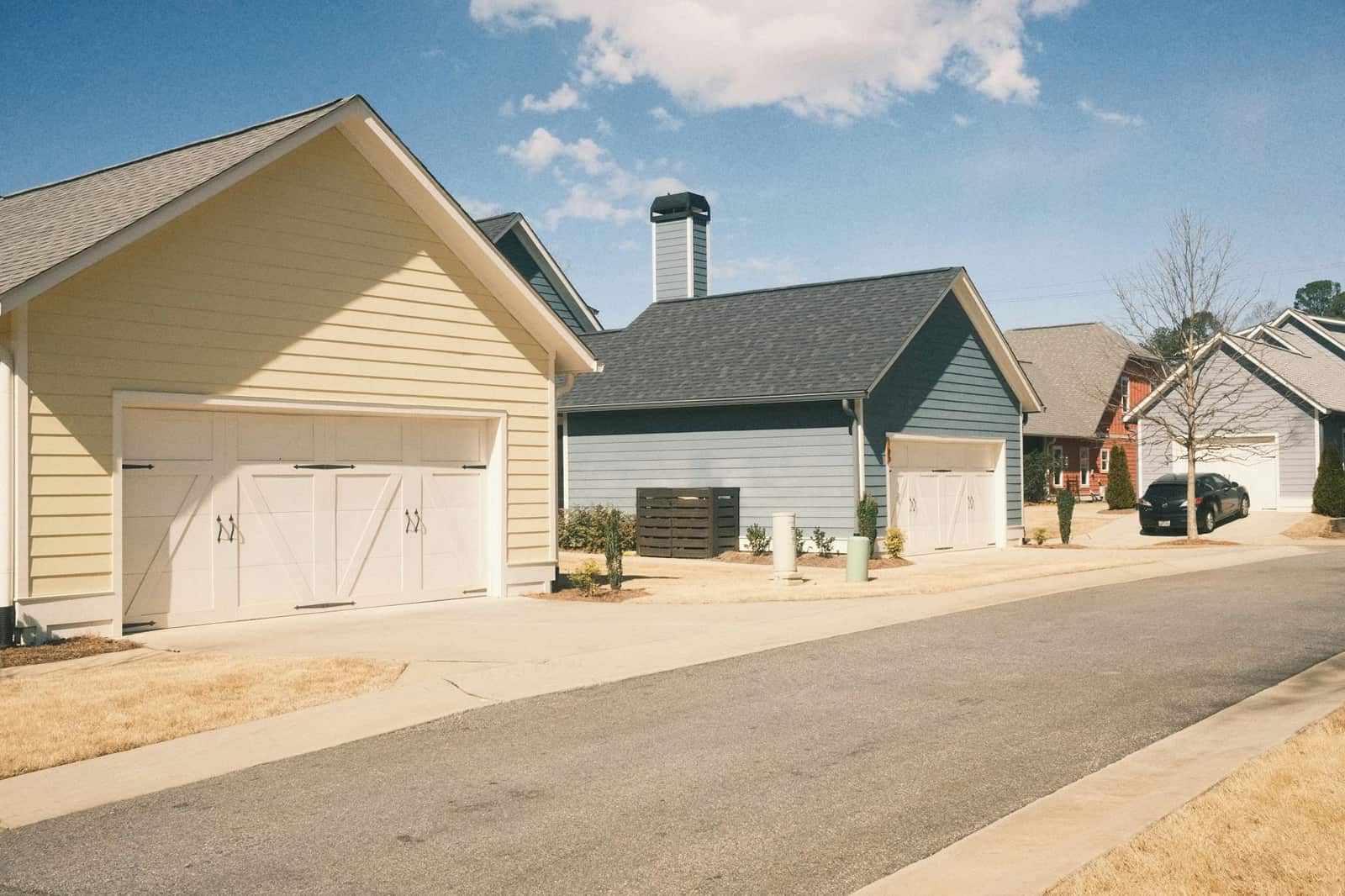
Atlanta metro
Roofing Contractors in Atlanta, GA
Local roofing pros in our network serving the Atlanta metro. Hot, humid summers and frequent storms drive asphalt-shingle replacement demand, and our network is staffed for that scope.
Atlanta market snapshot
The Atlanta metro is home to 6,094,752 residents and 2,420,310 housing units, a mostly asphalt-shingle market. Hot-humid summers and tropical-storm exposure shorten the typical replacement cycle to 18 to 25 years.
Our Atlanta contractor network is growing each week.
Roofing in Atlanta
Roofing in Atlanta, GA is shaped by the local hot-humid storm-belt climate and the age of the housing stock. Local Roofing Help connects Atlanta homeowners to a roofer in our network by phone, with no web form and no resold leads.
Roofing in metro Atlanta is a wind-and-water-management discipline shaped by the Southeast's distinctive combination of long, hot, humid summers and severe-thunderstorm-prone springs and falls. Per the National Severe Storms Laboratory, the Southeast ranks among the highest U.S. regions for tornado-warned severe-storm activity outside the traditional plains, and the metro Atlanta footprint sees regular wind events that push 3-tab shingles past their original warranty envelope. Add a tree canopy that ranks among the densest of any major U.S. metro (the Atlanta Regional Commission's Tree Canopy Study consistently puts canopy cover above 45% in the urban core) and tree-fall and wind-driven debris become recurring causes of roof failure.
If your roof is past 15 years old or has seen wind or tree damage in any storm since 2022, talk to Atlanta roofers in our network. Most network pros offer a no-charge inspection and written report.
What's different about roofing in Atlanta
Metro Atlanta covers Fulton, DeKalb, Gwinnett, Cobb, Cherokee, Forsyth, Henry, Clayton, and surrounding counties. Three forces dominate roofing decisions here:
- Severe-thunderstorm wind and tornado exposure. Per NOAA Storm Events Database queries against north Georgia ZIPs, sustained-wind events above 60 mph occur multiple times per year in the metro, and EF-1 and EF-2 tornadoes touched down inside the I-285 perimeter in 2008, 2017, and 2023. Replacement specs in this market should always include a 110+ mph wind rating, six-nail install pattern, and starter-strip-and-ridge-cap upgrades. Class H rated shingles handle the wind envelope better than 60-mph 3-tab products that were common on 1990s-era subdivisions.
- Heat and humidity. Long, hot, humid summers push attic temperatures past 130°F and accelerate asphalt-shingle granule loss. Per NRCA field data, Southeast asphalt shingles routinely shave 10–15% off published lifespans because of UV and thermal cycling. Attic ventilation balanced between soffit intake and ridge exhaust is the difference between a 25-year roof and a 19-year one.
- Tree canopy. Falling limbs and full tree-fall events are a recurring cause-of-loss in metro Atlanta storm claims. Tree-impact damage is typically covered under standard all-other-perils language with the standard deductible (rather than the higher wind-and-hail deductible some carriers apply to the same storm). Document the date of loss and photograph the impact zone before any cleanup.
Neighborhoods we serve
Metro Atlanta roofing demand patterns sort by housing era and tree exposure:
- Buckhead, Brookhaven, and Dunwoody: larger 1990s–2010s asphalt roofs hitting end of life now. Common job: 30–45 sq architectural-shingle replacement plus full ridge ventilation upgrade and chimney flashing rebuild.
- Midtown and Decatur: older bungalows and craftsman homes, steep pitches, frequent decking-replacement scope on tear-offs. Common job: full tear-off plus board-sheathing inspection plus architectural-shingle install with copper flashing where the original detail justifies it.
- Sandy Springs, Marietta, and Alpharetta: master-planned suburbs with original-builder asphalt now in the replacement window. Common job: full architectural-shingle replacement post-storm with insurance-coordinated supplements.
- Roswell and Cumming (Forsyth): newer subdivisions with heavy tree exposure. Common job: storm-related repair on multiple slopes after wind or tree-impact events.
If your house is in any of those zones, talk to a roofer here.
How we connect Atlanta homeowners
Network contractors in metro Atlanta carry Georgia state contractor registration where applicable, one-million-dollar-or-higher general liability coverage, current workers' comp, and a 4.0+ aggregated review-score floor. For tornado-damage and severe-storm work we additionally prefer Haag-certified inspectors who can issue defensible cause-of-loss reports if a claim goes to appraisal. Georgia carrier-coordinated work is meaningfully easier with documented inspection reports.
To pick the right next step:
- For a wind-suspect roof, run the storm damage assessor before contacting your carrier. A no-charge inspection from a licensed Atlanta pro is the strongest single document in the claim.
- For an aging roof, the roof lifespan estimator factors Atlanta's hot-humid + severe-storm profile against material and install year.
- For full-replacement planning, see roof replacement in Atlanta for material selection guidance.
Atlanta roofing services
Common metro Atlanta requests in our network: roof replacement in Atlanta, roof repair in Atlanta, and Atlanta storm damage repair. Adjacent Southeast metros where we also place leads include Charlotte and Nashville. For cornerstone reading on the storm-claim sequence, see our does insurance cover roof replacement guide.
Wind, tree-fall, and storm-claim posture in metro Atlanta
Atlanta's storm calendar is wind-led, not hail-led. Straight-line wind events during spring and fall convective seasons regularly push 60 to 80 mph gusts across Fulton, DeKalb, Cobb, and Gwinnett counties, and the January 2023 EF-2 tornado that tracked through Spalding and Henry counties is a recent reference for adjusters working south-metro claims. The dense urban tree canopy (Atlanta Regional Commission canopy data puts cover above 45 percent inside I-285) makes tree-impact damage a recurring cause-of-loss on the same storms that wind-lift ridge cap.
Two policy details drive recovery in this market. First, tree-impact damage typically falls under all-other-perils language with a standard fixed deductible, not the higher wind/hail deductible some Georgia carriers apply when the same storm also lifts shingles. The cause-of-loss code matters. Second, the Georgia Office of Commissioner of Insurance sets the conduct rules for adjuster behavior and supplement disputes, and Georgia has an active appraisal-clause regime when claims escalate. Photograph the impact zone and the date of loss before any cleanup, then request a written inspection report. Our Atlanta storm damage repair page walks the inspection-first claim sequence.
If a recent wind or tree-fall event hit your roof, run the Storm Damage Assessor before calling your carrier.
FAQ
Do I need a permit to replace my roof in Atlanta?
Yes. The City of Atlanta Office of Buildings and surrounding county building departments (Fulton, DeKalb, Gwinnett, Cobb, etc.) all require permits for residential roof replacement, with mid-progress inspection before the final layer goes on. Your contractor pulls the permit; verify it's been issued before crews start.
Are Class 4 impact-rated shingles worth it in Atlanta?
For most metro Atlanta homeowners, a 110+ mph wind rating matters more than Class 4 hail rating. The metro sees more severe wind than significant hail. Class 4 is still a reasonable upgrade in north-metro counties closer to the Tennessee Valley hail corridor (Cherokee, Forsyth) and in any household with an active hail-deductible discount available. Talk to your carrier before the project starts.
Which roof material works for Atlanta?
For most homeowners: an architectural asphalt shingle with a 110+ mph wind rating, six-nail install pattern, and full balanced attic ventilation. Standing-seam metal is the longer-lifecycle choice for stay-forever owners and for contemporary architecture. Tile and slate appear on selected Buckhead and Druid Hills custom homes but are rare in the broader metro.
How long do roofs typically last in Atlanta?
Architectural asphalt shingles in metro Atlanta typically reach 22–28 years before end-of-life signs accumulate, slightly shorter than the 25–35 you'd see in a temperate, low-storm climate. Severe-thunderstorm wind events frequently shorten effective service life through partial-slope damage that triggers replacement before pure age would. See our how long does a roof last guide for the full breakdown.
How fast does the qualifier connect me by phone in Atlanta?
Typical connect time is under 60 seconds. First contractor contact is by live phone transfer when an agent is on call, or callback as fast as an hour. For emergency tarping after a wind or tree-fall event, we route to rapid-availability pros first.
Neighborhoods served
- Buckhead
- Midtown
- Decatur
- Sandy Springs
- Marietta
- Alpharetta
- Roswell
- Dunwoody
Services available in Atlanta
Roof Replacement in Atlanta, GA
Roof Replacement services from local pros.
Roof Repair in Atlanta, GA
Roof Repair services from local pros.
Storm Damage Roof Repair in Atlanta, GA
Storm Damage services from local pros.
Flat and Low-Slope Roofing in Atlanta, GA
Flat Roofing services from local pros.
Metal Roofing in Atlanta, GA
Metal Roofing services from local pros.
Roof Inspection in Atlanta, GA
Roof Inspection services from local pros.
Nearby and related markets
What Atlanta homeowners ask
How Much Does a New Roof Cost
Why a single national average misleads on roof replacement cost, the six variables that drive your real price, and how to get calibrated quotes from local pros.
Roof Deductible by State: Wind, Hail, and Hurricane Math
Wind/hail and hurricane deductibles by state. How percentage-of-dwelling math works, what triggers a named-storm deductible, and how to lower your effective deductible at renewal.
Does Insurance Cover Roof Replacement
Everything homeowners need to know about does insurance cover roof replacement. Sourced from licensed roofers and primary building-code references. Get.
How Long Does a Roof Last? Lifespan by Material and Climate
How long different roof types last: asphalt, metal, tile, slate, wood, TPO. Climate effects, warning signs, and when to plan replacement.
About our local pros
- Local
- Independent
- Homeowner-verified
Talk to Atlanta roofers
Talk to a Atlanta roofer who handles full and partial replacements.
Under a minute. One local pro, not 12.
Lead-routing service. Calls may be recorded.