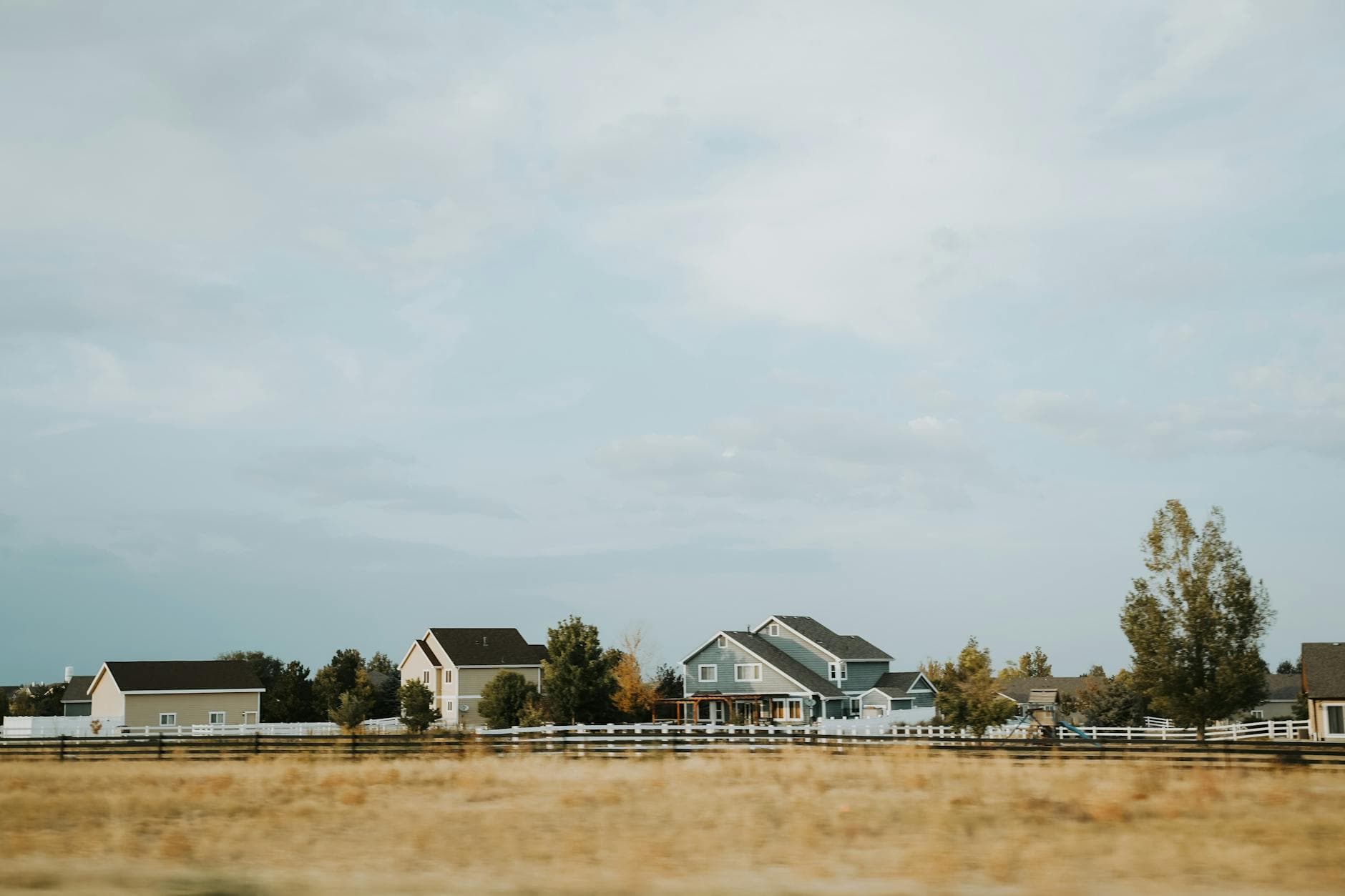
Denver metro
Roofing Contractors in Denver, CO
Local roofing pros in our network serving the Denver metro. Dry summers and cool winters drive asphalt-shingle replacement demand, and our network is staffed for that scope.
Denver market snapshot
The Denver metro is home to 2,959,386 residents and 1,245,265 housing units, a mostly asphalt-shingle market. Mixed-dry climate and seasonal hail put most roofs on a 25 to 35 year replacement cycle.
Our Denver contractor network is growing each week.
Roofing in Denver
Roofing in Denver, CO is shaped by the local local U.S. roofing market and the age of the housing stock. Local Roofing Help connects Denver homeowners to a roofer in our network by phone, with no web form and no resold leads.
Roofing in metro Denver is dominated by one thing above all others: hail. The Front Range corridor (Denver, Aurora, Lakewood, Arapahoe and Adams counties, Boulder to the north, and the I-25 belt south to Castle Rock) sits inside the densest hail zone in the United States outside of north Texas and Oklahoma. Per IBHS hail-claim data, Colorado consistently ranks top-three nationally for hail-related insurance claim severity, and metro-Denver carriers track that exposure aggressively. That single fact governs material selection, install standards, and how our network vets the contractors we route Denver homeowners to.
If your roof is past 12 years old or has been hit in any storm since 2023, talk to Denver roofers in our network. Most network pros offer a no-charge inspection and written hail-damage report before you decide whether to file a claim.
What's different about roofing in Denver
The Denver metro covers Denver, Adams, Arapahoe, Jefferson, Douglas, and Boulder counties. Three forces define roofing decisions here:
- Hail dominance. The Front Range corridor sees more significant-hail events per year than any other major U.S. metro area outside of Texas-Oklahoma. Class 4 impact-rated shingles (UL 2218 / FM 4473 tested) are not premium. They are baseline. The Colorado Division of Insurance tracks the consumer-facing list of carrier-eligible products, and most major Colorado carriers offer hail-deductible discounts or premium credits for documented Class 4 installations. Material choice in metro Denver is a hail conversation first.
- High-altitude UV. Denver's elevation (5,280 feet) and dry climate produce some of the highest sustained UV exposure in any U.S. residential market. Per NRCA field studies, high-altitude asphalt shingles age faster than the same product at sea level. Asphalt without UV-stabilized formulations and proper attic ventilation routinely shaves 15% off published lifespans.
- Wildfire-zone overlay. Foothill suburbs (Boulder, Evergreen, Conifer, Genesee, Highlands Ranch foothill areas) sit inside Colorado WUI (wildland-urban interface) zones where roof material and assembly are part of the wildfire-mitigation discussion. Class A fire ratings (standard on most asphalt and metal roof assemblies) are the right floor; some HOAs and insurance underwriters require additional screening at the soffit and ridge vents.
Neighborhoods we serve
Denver metro roofing demand patterns sort by neighborhood and elevation:
- Cherry Creek and Highlands: established Denver neighborhoods with a mix of older custom homes and newer architectural builds. Common job: 25–35 sq Class 4 architectural-shingle replacement post-hail with carrier-coordinated supplement.
- LoDo and Downtown: flat-roof and low-slope buildings with TPO, EPDM, and modified bitumen. Common job: flat-roof recover or replacement plus parapet flashing rebuild.
- Aurora, Lakewood, and Centennial: heavy hail exposure plus established suburban housing stock. Common job: full impact-rated upgrade with carrier-credit documentation.
- Boulder, Littleton, and foothill communities: wildfire-zone overlay plus higher-end housing. Common job: Class 4 plus Class A fire-rated assembly with vent screening.
If your house is in any of those zones, talk to a roofer here.
How we connect Denver homeowners
Network contractors in the Denver metro carry one-million-dollar-or-higher general liability coverage, current workers' comp, demonstrated National Roofing Contractors Association (NRCA) or Colorado Roofing Association (CRA) credentialing or equivalent, and a 4.0+ aggregated review-score floor. For carrier-coordinated hail work we prefer Haag-certified inspectors. Colorado hail claims are negotiated, not just submitted, and the Haag certification carries weight in appraisal proceedings if a claim escalates.
To pick the right next step:
- For a hail-suspect roof, run the storm damage assessor before contacting your carrier. A no-charge inspection from a licensed Denver pro is the strongest single document in the claim.
- For an aging roof, the roof lifespan estimator factors Denver's mixed-dry + high-altitude + hail-belt profile against your material and install year.
- For full-replacement planning, see roof replacement in Denver for Class 4 product selection guidance.
Denver roofing services
Common Denver metro requests in our network: roof replacement in Denver, roof repair in Denver, and storm damage repair in Denver. For wildfire-zone homes and contemporary architecture, metal roofing carries Class A fire ratings and Class 4 impact ratings out of the box. Adjacent Mountain West metros where we also place leads include Phoenix. For cornerstone reading on the storm-claim sequence, see does insurance cover roof replacement.
FAQ
Are Class 4 impact-rated shingles required in Denver?
Required, no. But they are functionally the right baseline given the metro's hail exposure. The product upcharge is modest, the install is identical, and major Colorado carriers offer hail-deductible discounts that recover the upcharge over a single multi-year stretch. A Class 4 roof is roughly four times more likely to survive a bad hail event without a claim trigger than a Class 3.
Do I need a permit to replace my roof in Denver?
Yes. The City and County of Denver Community Planning and Development department and surrounding county building departments require residential roofing permits for tear-off and reroof projects, with mid-progress inspection before the final layer goes on. Suburban municipalities (Aurora, Lakewood, Centennial, etc.) run their own permitting processes. Your contractor pulls the permit.
How long do roofs typically last in Denver?
Architectural asphalt shingles in metro Denver typically reach 18–25 years before a hail event totals them, meaningfully shorter than the 25–35 you'd see in a low-hail climate. Class 4 shingles extend that to 25–35 effective. Metal and tile roofs survive most hail events without claim, which is why standing-seam metal has higher market share in Denver than in most U.S. metros. See our how long does a roof last guide for the full breakdown.
Should I file a hail claim or pay out of pocket in Denver?
Inspect first, decide second. Our storm damage assessor walks through the threshold question. If a licensed contractor inspection finds significant impact damage on multiple slopes, file. If damage is cosmetic or limited to one slope, repair out of pocket and skip the CLUE-database hit. Colorado has a long history of hail-claim denial disputes, so having a Haag-certified inspection report on hand strengthens your position.
How fast does the qualifier connect me by phone in Denver?
Typical connect time is under 60 seconds. First contractor contact is by live phone transfer when an agent is on call, or callback as fast as an hour. For emergency tarp service after a hailstorm, we route to rapid-availability pros first.
Neighborhoods served
- Cherry Creek
- LoDo
- Highlands
- Aurora
- Lakewood
- Centennial
- Boulder
- Littleton
Services available in Denver
Roof Replacement in Denver, CO
Roof Replacement services from local pros.
Roof Repair in Denver, CO
Roof Repair services from local pros.
Storm Damage Roof Repair in Denver, CO
Storm Damage services from local pros.
Flat and Low-Slope Roofing in Denver, CO
Flat Roofing services from local pros.
Metal Roofing in Denver, CO
Metal Roofing services from local pros.
Roof Inspection in Denver, CO
Roof Inspection services from local pros.
Nearby and related markets
What Denver homeowners ask
How Much Does a New Roof Cost
Why a single national average misleads on roof replacement cost, the six variables that drive your real price, and how to get calibrated quotes from local pros.
Roof Deductible by State: Wind, Hail, and Hurricane Math
Wind/hail and hurricane deductibles by state. How percentage-of-dwelling math works, what triggers a named-storm deductible, and how to lower your effective deductible at renewal.
Does Insurance Cover Roof Replacement
Everything homeowners need to know about does insurance cover roof replacement. Sourced from licensed roofers and primary building-code references. Get.
How Long Does a Roof Last? Lifespan by Material and Climate
How long different roof types last: asphalt, metal, tile, slate, wood, TPO. Climate effects, warning signs, and when to plan replacement.
About our local pros
- Local
- Independent
- Homeowner-verified
Talk to Denver roofers
Talk to a Denver roofer who handles full and partial replacements.
Under a minute. One local pro, not 12.
Lead-routing service. Calls may be recorded.