Decision tool
Roofing Materials Comparison Tool
Compare asphalt shingle, architectural shingle, metal, tile, slate, and flat-roof systems on lifespan, climate fit, and impact rating.
Roofing Materials Comparison Tool
About this calculator
What this tool does
The materials comparison tool turns four honest answers about your climate, pitch, and decision priorities into a ranked shortlist of roofing materials, with the failure modes and the maintenance pattern for each. You will not see a price column. You will see which materials actually fit your roof and your climate, and which ones get ruled out for legitimate engineering reasons.
Use the tool first if you are at the start of a replacement decision. The ranking is the input to the material question you will spend the most time on with each contractor. A decision built on the right shortlist saves you from installing the wrong roof for your climate and from paying for premium material that adds no value on your pitch.
How the calculator works
The model evaluates six material categories against your pitch, your climate, and your stated priorities on durability, lifespan, maintenance tolerance, and aesthetics. Each material gets a fit score against your pitch (ideal, OK, or not recommended) and a weighted priority score that reflects what you said matters.
We do not return a price comparison on screen. We return a ranked match, a notes column that explains why each material landed where it did, and a contractor match for installers who specialize in your top choice. The price conversation happens with the contractor on a written estimate, with the scope you walked in expecting.
The matching layer reads your top material and routes you to roofers in our network who install that system week in and week out. Material specialty matters. An asphalt crew is not a metal crew is not a tile crew. We confirm license, general liability and workers' comp insurance, and a background check on every partner.
Why we do not display a price comparison
A side-by-side cost-per-square comparison is the most- copied table on the internet for roofing materials. It is also the most misleading. Asphalt is two to three times cheaper installed than standing-seam metal in most markets. Slate is two to four times more than metal. None of those ratios tell you what your roof costs.
Two homeowners in the same state pay different amounts on the same material for legitimate reasons: roof pitch, story height, tear-off scope, decking condition, code uplift, and which crews have capacity. The right comparison is three written estimates for the same material spec on your roof, not a national-average cost-per-square pulled from a consumer site.
The reason this page does not anchor a price is the same reason every other calculator on this site does not. We would rather give you the right material shortlist, route you to installers who specialize in it, and let the bids do the price talking.
Which inputs move the ranking most
Pitch is the hard constraint. Climate is the strong recommendation. Priorities are the tiebreaker. Two homeowners on the same pitch and climate can land on different rankings because of what they value.
- Pitch. Roof pitch is the engineering constraint that rules materials in or out. Pitches below 4:12 are low slope and require a membrane system (TPO, EPDM, modified bitumen) or specialty interlocking metal. Asphalt shingles, tile, and slate fail to drain on a low pitch and will leak. Pitches between 4:12 and 8:12 are the comfortable range for shingles and most metal panel profiles. Pitches steeper than 8:12 trigger a labor surcharge for OSHA fall-protection setup (see OSHA 29 CFR 1926.501) but open up tile and slate as options.
- Climate. Climate zone drives long-term performance. Hot-humid climates punish asphalt and reward metal, tile, and reflective roof systems with ENERGY STAR certified solar reflectance values (ENERGY STAR roof products). Hot-dry climates favor tile and reflective metal. Mixed and cold climates favor architectural asphalt and standing-seam metal. Coastal hurricane zones drive material choice toward impact-rated, high-wind-rated systems with secondary water barriers under the IBHS FORTIFIED program. Tornado Alley drives demand for Class 4 impact-rated shingles and rib-spaced metal. The International Energy Conservation Code climate zones are the framework most of these recommendations sit on.
- Durability priority. If you put a high weight on durability, the model favors metal, tile, and slate. Class 4 impact-rated asphalt shingles can hold up on the durability axis if hail is a real concern; the GAF Timberline AS II line is the reference product. Many insurance carriers offer a Class 4 shingle premium discount in hail-prone states; check with your state insurance department.
- Lifespan priority. High weight on lifespan tilts the model toward metal, tile, and slate. Standing-seam metal projects 40 to 70 years, tile 40 to 75, slate 75 to 150. Architectural asphalt projects 20 to 30. The price-per-decade math sometimes favors a more expensive material once you factor in tear-off avoidance.
- Maintenance and aesthetics. These are the tiebreakers. Low maintenance tolerance pushes the ranking toward metal and tile and away from wood shake and flat membranes. Aesthetics are personal, and the model only nudges the ranking if you put high weight on it. The contractor conversation is where samples come into play.
The real tradeoffs by material
Every material has a tradeoff matrix. The ones below are the tradeoffs that get glossed over in most consumer comparisons.
Architectural asphalt shingle. The default for a reason. Wide installer pool, broad color selection, and the most affordable installed cost-per-square. The downside is the shortest service life of the durable materials, real sensitivity to ventilation and attic heat, and a price tier inside the category that runs from budget builder- grade to Class 4 impact-rated. The line item to watch is the underlayment spec and the ventilation calculation, both of which warranty conditions depend on. See asphalt vs metal roof for the head-to-head.
Standing-seam metal. Long service life, excellent solar reflectance with PVDF finishes, and increasingly common in residential. The downside is a smaller installer pool, panel-gauge games (24 vs 26 gauge changes durability and dent resistance), and finish warranty tiers (PVDF outperforms SMP). Panel installation is unforgiving of bad detailing at the eaves, valleys, and penetrations. Get the gauge and finish in writing. Metal roofing service hub breaks down the spec.
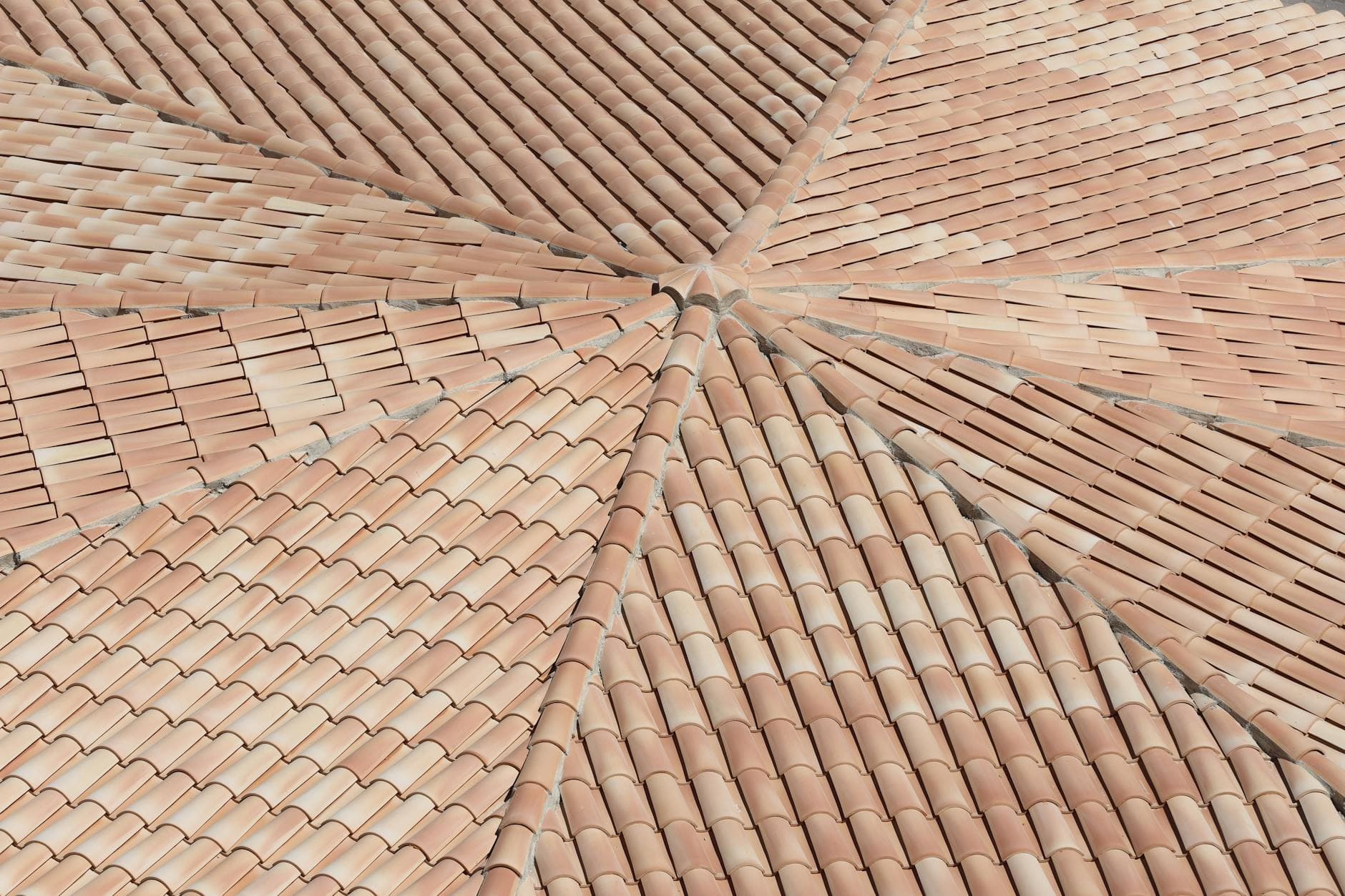
Concrete and clay tile. Excellent in hot- dry and hot-humid climates, often required by HOA in Spanish-style neighborhoods. The downside is weight (a structural engineer often has to sign off on conversion from shingle), brittle handling, and underlayment that fails before the tile does. Plan for a tile-lift underlayment replacement at 25 to 35 years on a tile roof, even though the tile itself lasts a century.
Slate. The longest-lived residential roof you can buy. The downside is the cost-per-square sits at the high end of the market, the installer pool is small, and the fasteners typically fail before the slate does. Plan for periodic slate replacement and re-nailing at the decade mark to keep the field intact. NRCA documents slate detailing in the Roofing Manual.
Wood shake. Excellent appearance in the right neighborhood, traditional cedar look, and certain treated products carry Class A fire ratings. The downside is biological aging (moss, algae, rot in humid climates), and many insurance carriers will not write a homeowners policy on untreated wood shake. Check with your insurance carrier before committing.
TPO, EPDM, modified bitumen. The membrane systems for low-slope and flat roofs. TPO dominates in white reflective applications. EPDM is black, more flexible, and tolerates temperature swings well. Modified bitumen is the budget-friendly torch-down option. The downside on all three is seam quality and termination detail. A poorly installed flat-roof seam will leak no matter how good the membrane is. The flat roofing service hub covers the membrane decision.
Common decision traps
The traps below cost homeowners the most money on the material decision. Awareness of them is the difference between a roof that matches your home and one that fights it.
- Picking material from a brochure. Brochure photography is shot in the perfect climate on the perfect pitch. The product that looks right in a magazine can be wrong for your slope, your sun exposure, or your snow load. Always ask the installer to point at a local install you can drive by.
- Premium material on the wrong pitch. A Class 4 architectural shingle on a 2:12 pitch leaks because asphalt cannot drain that flat. Slate on a low- pitch garage will fail. Pitch is the hard constraint, not the material warranty.
- Skipping the structural check on tile. Concrete tile weighs roughly 10 pounds per square foot on the deck. Asphalt weighs 2 to 4. Converting a shingle home to tile without a structural review is a permit violation in most jurisdictions and a deflection problem in the long run. A licensed engineer is part of the tile-conversion scope.
- Ignoring the insurance discount. Many carriers offer 20% to 30% premium reductions for Class 4 impact-rated roofs in hail-prone states. The payback can close the gap between standard and impact-rated shingles in 3 to 5 years. Ask your carrier in writing.
- Skipping the Section 25C credit. The Energy Efficient Home Improvement Credit covers some qualifying reflective metal roofs and insulation upgrades. The IRS publishes the eligibility criteria at irs.gov. If your top choice is reflective metal or a roof system with an upgraded insulation layer, time the work to capture the credit.
- HOA conflict. Some neighborhoods restrict material choice through HOA covenants. Check the covenants before falling in love with a material that will not get approved. A standing-seam metal roof in a Spanish-tile neighborhood is a fight you do not need.
When to use this tool vs talk to a roofer first
Use the calculator first when you are at the start of a replacement decision and you want a defensible shortlist before the contractor conversations start. The fit ranking and the tradeoff matrix are most valuable before any roofer is on site with samples.
Skip the tool and talk to a roofer first when you have an active leak, a recent storm, or your existing material is known to be at end of life. In those cases the priority is a tarp or a documented inspection, not a material decision. Our repair match tool and storm damage assessor are the right starting points.
Once you have a top material, run the replacement match tool to scope the rebuild on that specific material and route you to installers who specialize in it. The lifespan estimator is useful if you want to validate the service-life assumptions the materials comparison makes against your climate.
Frequently asked questions
- Is metal roofing better than asphalt shingles?
- Not universally. Metal projects 40 to 70 years against architectural asphalt's 20 to 30, with better solar reflectance and impact resistance. Asphalt has a wider installer pool, lower installed cost, and broader color selection. The right answer depends on climate, pitch, priorities, and how long you plan to own. The comparison tool ranks them against your specific situation.
- Which roofing material works for hot climates?
- Standing-seam metal with a reflective PVDF finish, concrete or clay tile, or asphalt shingles certified under the ENERGY STAR roof products program. Hot-humid climates also reward materials that resist algae and moss growth. Reflective roof systems reduce attic heat load and can lower cooling bills. The IECC climate zone map is the framework most regional recommendations sit on.
- Which roofing material works for cold climates?
- Architectural asphalt shingles paired with ice-and-water shield at the eaves, standing-seam metal with snow guards, or slate on a steeper pitch. Cold climates demand balanced attic ventilation and continuous insulation to prevent ice dams. Wood shake performs poorly in cold-humid climates because of freeze-thaw cycles and biological aging.
- Can I install metal roofing on a low-pitch roof?
- Standard standing-seam metal panels typically require a minimum pitch of 3:12 per manufacturer guidance, with some interlocking systems rated lower. Pitches below 4:12 are usually safer with a membrane system (TPO, EPDM, modified bitumen). Asphalt shingles, tile, and slate fail to drain on low pitches and will leak. Pitch is the hard constraint.
- Does my insurance carrier discount Class 4 impact-rated shingles?
- Many carriers in hail-prone states offer 20% to 30% premium reductions for Class 4 impact-rated roof systems. Payback can close the gap between standard and impact-rated shingles in 3 to 5 years. Ask your carrier in writing before signing the install contract. State insurance department websites publish carrier discount filings if you want to verify the offering.
- How much weight does a tile roof add to my home?
- Concrete tile weighs roughly 10 pounds per square foot. Clay tile weighs 7 to 12. Asphalt weighs 2 to 4. Converting a shingle home to tile without a structural engineering review is a permit violation in most jurisdictions and a deflection problem in the long run. A licensed engineer sign-off is part of the tile-conversion scope.
- Which roofing material needs the least maintenance?
- Standing-seam metal with a PVDF finish or concrete tile. Both shed water cleanly, resist biological aging, and project decades of service life with minimal upkeep beyond periodic gutter cleaning and fastener checks. Wood shake sits at the high-maintenance end of the spectrum. Flat membranes require twice-yearly inspections of seams and terminations.
Related
Talk to a roofer in our network
Skip the tool. Talk to a roofer who handles your scope.
Under a minute. One local pro, not 12.
Lead-routing service. Calls may be recorded.