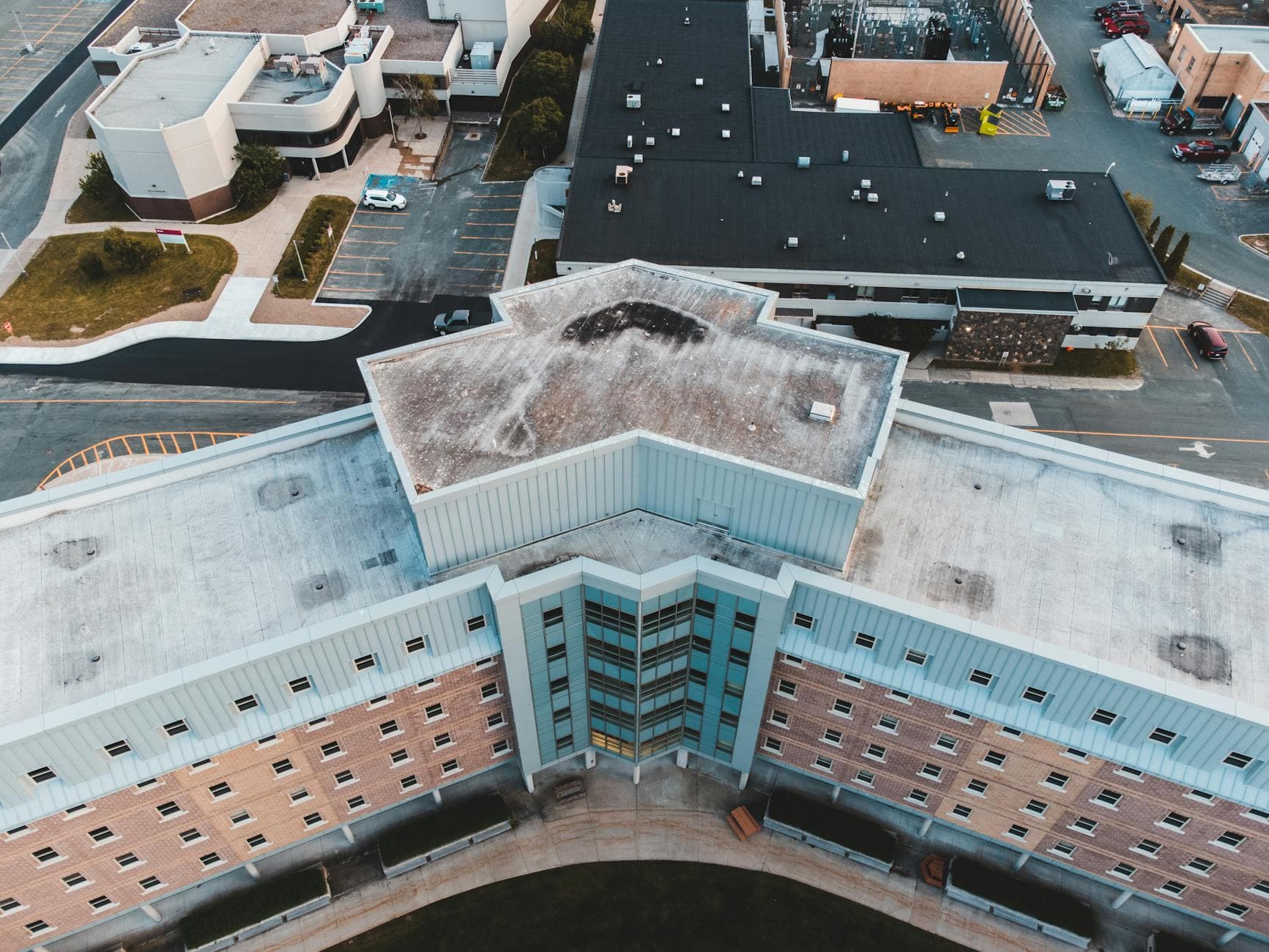
El Paso metro
Roofing Contractors in El Paso, TX
Local roofing pros in our network serving the El Paso metro. Hot, dry summers and high UV exposure drive TPO and EPDM flat-roof replacement demand, and our network is staffed for that scope.
El Paso market snapshot
The El Paso metro is home to 867,161 residents and 318,808 housing units, a flat-membrane market. Hot-dry sun and UV exposure age coverings faster, so the typical replacement cycle runs 20 to 30 years.
Our El Paso contractor network is growing each week.
Roofing in El Paso
Roofing in El Paso, TX is shaped by the local hot-dry desert climate and the age of the housing stock. Local Roofing Help connects El Paso homeowners to a roofer in our network by phone, with no web form and no resold leads.
Roofing in El Paso is a flat-roof and high-UV problem unlike almost any other Texas metro. The city sits inside the Chihuahuan Desert at an elevation around 3,800 feet, with intense sustained UV exposure, dramatic diurnal temperature swings, and a building stock dominated by flat-roof and low-slope adobe-style ranches rather than the steep-pitched architectural-shingle housing common across the rest of Texas. Per the National Weather Service El Paso office climatology data, the metro sees more than 300 days of sunshine annually and minimal rainfall — a combination that punishes UV-sensitive materials and rewards reflective, properly insulated flat-roof systems.
If your roof is past 12 years old or has shown ponding, cracking, or coating failure, talk to El Paso roofers in our network — most network pros offer a no-charge inspection and written report.
What's different about roofing in El Paso
The El Paso metro covers El Paso County and parts of Doña Ana County (NM) on the Las Cruces side. Three forces define roofing decisions here:
- Flat-roof and low-slope dominance. A meaningful share of El Paso's residential housing — particularly the 1940s–1970s ranch and adobe-style stock across the Westside, Mission Valley, and Sunset Heights — has flat or low-slope main roofs. Foam roofs (sprayed polyurethane foam with reflective topcoat) and modified-bitumen systems dominate the legacy inventory; modern TPO is gaining share on replacement work.
- Intense sustained UV. El Paso's elevation, low humidity, and 300+ sunny days annually drive some of the most aggressive sustained UV exposure of any U.S. residential market. Per NRCA field data, high-UV environments shorten asphalt-shingle service life by 20% or more without UV-stabilized formulations and balanced attic ventilation. Reflective white or aluminum topcoat on flat roofs is not optional in this climate — black surfaces drive attic temperatures past structural-comfort thresholds in summer.
- Dramatic diurnal temperature swings. Summer days frequently exceed 100°F while overnight lows can drop 30–40°F. Thermal cycling stresses every membrane, fastener, and flashing detail. Flexible single-ply systems handle the cycling better than legacy modified bitumen on dead-flat roofs.
Neighborhoods we serve
El Paso roofing demand patterns sort by neighborhood and housing era:
- Westside (Coronado, Upper Valley, Country Club) — established 1950s–1980s ranch and adobe housing with flat-roof main inventory. Common job: foam-roof recoat or full TPO replacement plus reflective topcoat.
- Eastside (Cielo Vista, Eastwood) — newer architectural-shingle housing with original-builder roofs in the replacement window. Common job: full tear-off plus UV-stabilized architectural-shingle install with balanced attic ventilation.
- Northeast and Mountain View — mixed flat-roof and steep-pitched housing on the slopes. Common job: hybrid asphalt-and-flat-deck tie-in scope.
- Mission Valley and Sunset Heights — older heritage adobe-style housing with flat-roof main and stucco-tied parapet detail. Common job: foam-roof or built-up replacement plus parapet flashing rebuild.
- Kern Place — older established neighborhood with mixed steep and flat-roof inventory.
If your house is in any of those zones, talk to a roofer here.
How we connect El Paso homeowners
Network contractors in the El Paso metro carry one-million-dollar-or-higher general liability coverage, current workers' comp, demonstrated Roofing Contractors Association of Texas (RCAT) credentialing or equivalent, and a 4.0+ aggregated review-score floor. For foam-roof and TPO work we additionally verify membrane-specific install experience — flat-roof systems are a different skill from steep-pitched asphalt and the failure modes differ.
To pick the right next step:
- For flat-roof maintenance, recoat, or replacement, see flat roofing for the system-by-system comparison.
- For an aging asphalt roof, the roof lifespan estimator factors El Paso's hot-dry + high-UV profile.
- For reflective-topcoat planning and energy-savings analysis, see roof replacement in El Paso for material guidance.
El Paso roofing services
Common El Paso requests in our network: flat roofing for the metro's distinctive flat-roof inventory, roof replacement in El Paso, and roof repair in El Paso. Adjacent Texas and Southwest metros where we also place leads include Phoenix, Houston, and San Antonio when relevant. For cornerstone reading on flat-roof recover-vs-replace economics, see is it cheaper to repair or replace a roof.
FAQ
Are flat roofs really common in El Paso?
Yes — El Paso has one of the highest residential flat-roof concentrations of any U.S. metro because of the Chihuahuan Desert architectural vernacular and the 1940s–1970s ranch and adobe-style housing stock. Foam roofs (sprayed polyurethane foam with reflective topcoat) dominate the legacy inventory; modern TPO is gaining share on replacement work because of longer service life and better seam integrity.
Should I recoat my foam roof or replace it?
Recoating extends a foam-roof system's service life by 5–10 years and is meaningfully cheaper than replacement when the underlying foam is dry and structurally sound. Replacement (tear-off back to deck and full new system) is the right call when moisture is trapped in the foam (verified by infrared scan), when the foam has degraded past serviceable thickness, or when underlying structural decking needs replacement.
Do I need a permit to replace my roof in El Paso?
Yes — the City of El Paso Planning and Inspections Department requires residential roofing permits for tear-off and reroof projects, with mid-progress inspection. Surrounding county and Las Cruces (NM) jurisdictions all require permits as well.
Which roof material works for El Paso?
For flat-roof applications: a reflective TPO membrane or a foam roof with quality reflective topcoat — both reduce summer attic temperatures and energy load meaningfully. For steep-pitched applications: a UV-stabilized architectural asphalt shingle with balanced attic ventilation and high SRI (solar reflectance index) granule color, or standing-seam metal with a high-SRI Kynar coating.
How fast does the qualifier connect me by phone in El Paso?
Typical connect time is under 60 seconds. First contractor contact is by live phone transfer when an agent is on call, or callback as fast as an hour. For active leaks during monsoon-season storms or thermal-cycling membrane failures, we route to rapid-availability pros first.
Neighborhoods served
- Westside
- Eastside
- Northeast
- Mission Valley
- Kern Place
- Sunset Heights
- Cielo Vista
Services available in El Paso
Roof Replacement in El Paso, TX
Roof Replacement services from local pros.
Roof Repair in El Paso, TX
Roof Repair services from local pros.
Storm Damage Roof Repair in El Paso, TX
Storm Damage services from local pros.
Flat and Low-Slope Roofing in El Paso, TX
Flat Roofing services from local pros.
Metal Roofing in El Paso, TX
Metal Roofing services from local pros.
Roof Inspection in El Paso, TX
Roof Inspection services from local pros.
Nearby and related markets
What El Paso homeowners ask
How Much Does a New Roof Cost
Why a single national average misleads on roof replacement cost, the six variables that drive your real price, and how to get calibrated quotes from local pros.
Roof Deductible by State: Wind, Hail, and Hurricane Math
Wind/hail and hurricane deductibles by state. How percentage-of-dwelling math works, what triggers a named-storm deductible, and how to lower your effective deductible at renewal.
Does Insurance Cover Roof Replacement
Everything homeowners need to know about does insurance cover roof replacement. Sourced from licensed roofers and primary building-code references. Get.
How Long Does a Roof Last? Lifespan by Material and Climate
How long different roof types last: asphalt, metal, tile, slate, wood, TPO. Climate effects, warning signs, and when to plan replacement.
About our local pros
- Local
- Independent
- Homeowner-verified
Talk to El Paso roofers
Talk to a El Paso roofer who handles full and partial replacements.
Under a minute. One local pro, not 12.
Lead-routing service. Calls may be recorded.