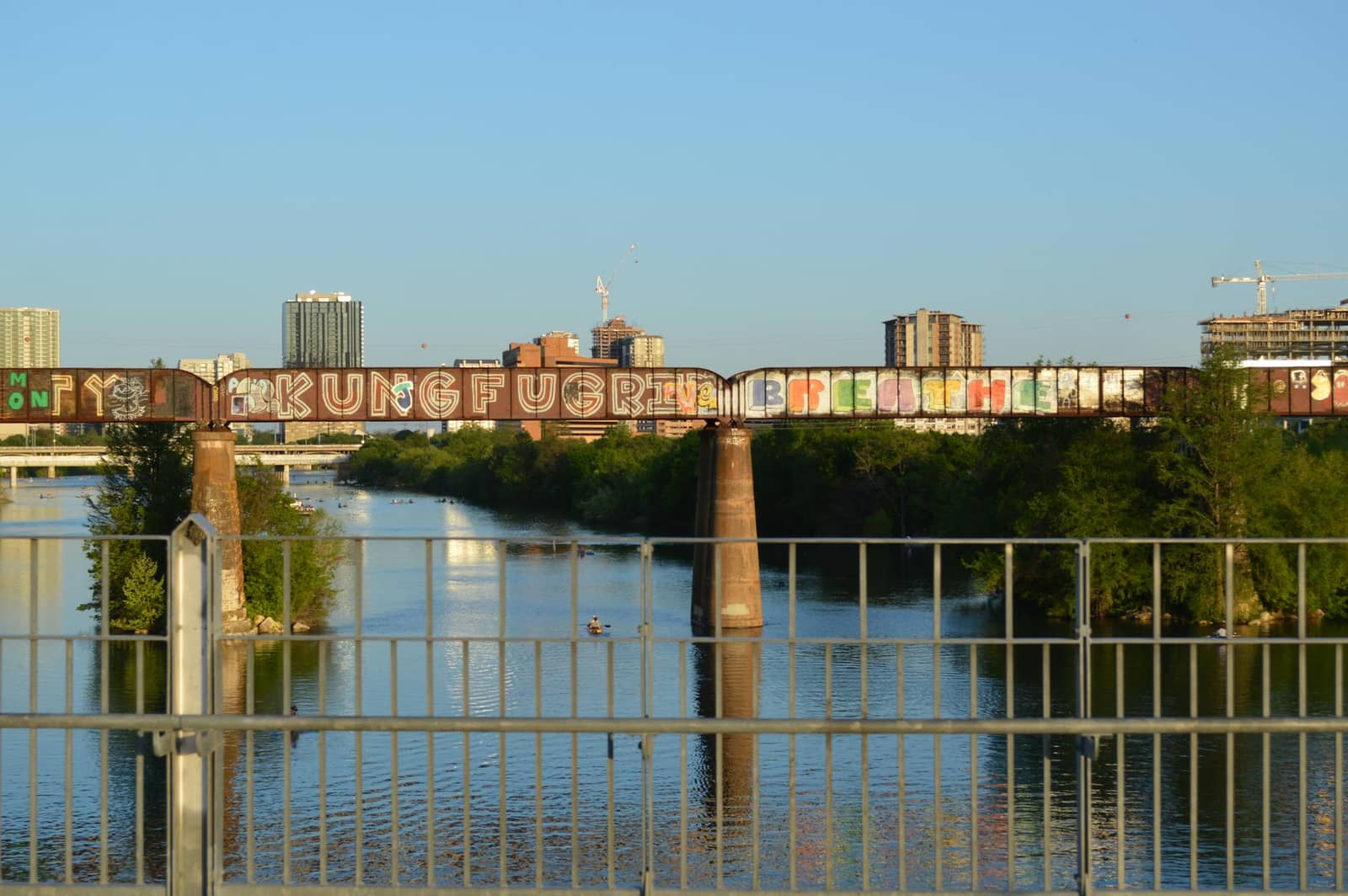
Austin metro
Roofing Contractors in Austin, TX
Local roofing pros in our network serving the Austin metro. Hot, humid summers and frequent storms drive asphalt-shingle replacement demand, and our network is staffed for that scope.
Austin market snapshot
The Austin metro is home to 2,296,377 residents and 960,087 housing units, a mostly asphalt-shingle market. Hot-humid summers and tropical-storm exposure shorten the typical replacement cycle to 18 to 25 years.
Our Austin contractor network is growing each week.
Roofing in Austin
Roofing in Austin, TX is shaped by the local hot-humid storm-belt climate and the age of the housing stock. Local Roofing Help connects Austin homeowners to a roofer in our network by phone, with no web form and no resold leads.
Roofing in Austin is a hail-belt and high-UV problem with a contemporary-architecture overlay that pulls a meaningful share of the metro toward standing-seam metal and modern-design roofs. The metro takes regular hail hits across Travis, Williamson, and Hays counties. The Insurance Institute for Business & Home Safety hail-claim data puts central Texas inside the dense south-Texas hail corridor. Add a UV environment that punishes asphalt aggressively, and you get a market where Class 4 impact-rated material is the right floor and where the metal-roof share of new installs is meaningfully higher than the national average.
If your roof is past 12 years old or has been hit in any storm since 2023, talk to Austin roofers in our network. Most network pros offer a no-charge inspection and written hail-damage report.
What's different about roofing in Austin
The Austin metro covers Travis, Williamson, Hays, Bastrop, and Caldwell counties. Three forces define roofing decisions here:
- Hail and severe-thunderstorm exposure. Per the National Severe Storms Laboratory, the metro sits in the active central-Texas hail belt. Multiple 1.5"+ events per spring season are typical. Class 4 impact-rated shingles (UL 2218 / FM 4473 tested) are the right baseline. Most major Texas carriers offer hail-deductible discounts for documented Class 4 installations, and the Texas Department of Insurance lists eligible products.
- Modern-design and standing-seam prevalence. Austin's contemporary-architecture vocabulary (particularly in Westlake, Tarrytown, and the newer Cedar Park and Round Rock developments) pulls a higher share of new-construction and replacement projects toward standing-seam metal than most Texas metros. Standing-seam handles hail, wind, and high-UV better than asphalt, and the lifecycle math favors metal for stay-forever owners in this climate.
- Hot-humid climate. Long, hot summers and intense UV push asphalt-shingle attic temperatures past 130°F and accelerate granule loss. Per NRCA field data, central Texas asphalt routinely shaves 10–15% off published lifespans. Balanced attic ventilation is not optional.
Neighborhoods we serve
Austin metro roofing demand patterns sort by housing era and architectural vocabulary:
- Downtown and South Congress: older bungalows and craftsman homes with steep pitches and frequent decking-replacement scope. Common job: full tear-off plus board-sheathing inspection plus architectural-shingle install.
- Westlake and Tarrytown: custom homes with meaningful standing-seam metal share. Common job: standing-seam replacement post-storm, often paired with copper accent flashing on heritage homes.
- Round Rock, Cedar Park, and Pflugerville: newer master-planned subdivisions with original-builder asphalt now in the replacement window. Common job: Class 4 architectural-shingle replacement post-hail with carrier-coordinated supplement.
- Georgetown and Pflugerville (north metro): heavy hail exposure plus rapid suburban growth. Common job: full impact-rated upgrade with carrier-credit documentation.
If your house is in any of those zones, talk to a roofer here.
How we connect Austin homeowners
Network contractors in the Austin metro carry one-million-dollar-or-higher general liability coverage, current workers' comp, demonstrated Roofing Contractors Association of Texas (RCAT) credentialing or equivalent, and a 4.0+ aggregated review-score floor. For standing-seam metal projects we additionally verify standing-seam-specific install experience. Metal is a different skill from asphalt and the failure modes differ.
To pick the right next step:
- For a hail-suspect roof, run the storm damage assessor before contacting your carrier.
- For an aging roof on its planning curve, the roof lifespan estimator factors Austin's hot-humid + hail-belt profile.
- For homeowners trading off asphalt against standing-seam metal, see our asphalt vs metal roof comparison guide.
Austin roofing services
Common Austin metro requests in our network: roof replacement in Austin, roof repair in Austin, and storm damage repair in Austin. For contemporary-design homes, metal roofing is meaningfully more common in this metro than nationally. Adjacent Texas metros where we also place leads include San Antonio, Dallas, and Houston.
FAQ
Are Class 4 impact-rated shingles worth it in Austin?
For most Austin homeowners, yes. The product upcharge is modest, the install is identical, and major Texas carriers offer hail-deductible discounts that recover the upcharge over a single multi-year stretch. A Class 4 roof is roughly four times more likely to survive a bad hail event without a claim trigger than a Class 3.
Is a metal roof a good choice in Austin?
For stay-forever owners and contemporary-design homes, yes. Standing-seam metal handles hail, wind, and high-UV exposure better than asphalt, and the lifecycle math typically beats asphalt past a 15-year ownership horizon. Class 4 metal installations qualify for the same hail-deductible discounts that Class 4 asphalt does. See our metal roofing service hub for the system-by-system breakdown.
Do I need a permit to replace my roof in Austin?
Yes. The City of Austin Development Services Department and surrounding county building departments (Travis, Williamson, Hays) require residential roofing permits for tear-off and reroof projects. Round Rock, Cedar Park, and other suburban municipalities run their own permitting processes. Your contractor pulls the permit.
How long do roofs typically last in Austin?
Architectural asphalt shingles in Austin typically reach 20–25 years before a hail event totals them, meaningfully shorter than the 25–35 you'd see in a low-hail climate. Class 4 shingles extend that to 25–35 effective. Standing-seam metal commonly reaches 50+ years.
How fast does the qualifier connect me by phone in Austin?
Typical connect time is under 60 seconds. First contractor contact is by live phone transfer when an agent is on call, or callback as fast as an hour. For emergency tarp service after a hailstorm, we route to rapid-availability pros first.
Neighborhoods served
- Downtown
- Westlake
- Round Rock
- Cedar Park
- Pflugerville
- Georgetown
- South Congress
- Tarrytown
Services available in Austin
Roof Replacement in Austin, TX
Roof Replacement services from local pros.
Roof Repair in Austin, TX
Roof Repair services from local pros.
Storm Damage Roof Repair in Austin, TX
Storm Damage services from local pros.
Flat and Low-Slope Roofing in Austin, TX
Flat Roofing services from local pros.
Metal Roofing in Austin, TX
Metal Roofing services from local pros.
Roof Inspection in Austin, TX
Roof Inspection services from local pros.
Nearby and related markets
What Austin homeowners ask
How Much Does a New Roof Cost
Why a single national average misleads on roof replacement cost, the six variables that drive your real price, and how to get calibrated quotes from local pros.
Roof Deductible by State: Wind, Hail, and Hurricane Math
Wind/hail and hurricane deductibles by state. How percentage-of-dwelling math works, what triggers a named-storm deductible, and how to lower your effective deductible at renewal.
Does Insurance Cover Roof Replacement
Everything homeowners need to know about does insurance cover roof replacement. Sourced from licensed roofers and primary building-code references. Get.
How Long Does a Roof Last? Lifespan by Material and Climate
How long different roof types last: asphalt, metal, tile, slate, wood, TPO. Climate effects, warning signs, and when to plan replacement.
About our local pros
- Local
- Independent
- Homeowner-verified
Talk to Austin roofers
Talk to a Austin roofer who handles full and partial replacements.
Under a minute. One local pro, not 12.
Lead-routing service. Calls may be recorded.