Guide
How Much Does a New Roof Cost
Why a single national average misleads on roof replacement cost, the six variables that drive your real price, and how to get calibrated quotes from local pros.
By Local Roofing Help Editorial Team, Reviewed by a licensed roofing contractor · Last reviewed 2026-05-15
Talk to a local rooferBy Local Roofing Help Editorial Team, Reviewed by a licensed roofing contractorPublished Last reviewed
Quick answer: Roof replacement cost is driven by six variables: square footage, material, roof pitch, tear-off complexity, climate-driven engineering, and local permits. A single average number misleads more than it helps because installed cost varies by three to five times across U.S. homes. Asphalt shingles are the most affordable; metal, tile, and slate run progressively higher with longer service lives. For a calibrated estimate on your home, footprint, material, and ZIP, run the Replacement Cost Calculator, then get quotes from two licensed local roofers (NRCA, IRC R908).
Quick answer
Roof replacement cost is driven by six variables — square footage, material, roof pitch, tear-off complexity, climate-driven engineering requirements, and local permits — and the right number for your home depends on the specific combination of all six. We don't publish dollar ranges on this page because a one-size estimate does more harm than good: it either undershoots what a complex hip-roof with a steep pitch actually costs, or overshoots what a simple gable-roof replacement runs. Use our Replacement Cost Calculator to get a figure calibrated to your home's actual footprint, material choice, and ZIP code.
What drives roof replacement cost
Six variables account for the vast majority of the spread between a straightforward replacement and a complex one. Understanding them is more useful than any single average, because your home's combination of these factors is what a contractor will actually price. The six are: roof footprint (measured in squares — one square equals 100 square feet of roof surface), material selection (asphalt shingles, metal panels, clay or concrete tile, slate, or specialty options), roof pitch and geometry (steeper pitches and complex shapes require more labor time and safety rigging), tear-off and disposal (removing the existing roof adds labor and disposal fees, and some jurisdictions require it), climate-driven engineering (ice-and-water shield requirements, hurricane-rated fastening patterns, or high-wind underlayment all add material cost), and permits and inspections (permit fees and required inspections vary substantially by municipality). The National Roofing Contractors Association publishes technical guidance on installation standards for all major residential systems, and those standards are the baseline against which every legitimate contractor builds their scope.
Material cost spectrum
The material you choose is the single largest variable you directly control. At the affordable end of the spectrum, three-tab and architectural asphalt shingles — the most common residential roofing material in the United States — sit at the entry of the per-square installed-cost range for durable roofing systems. The Asphalt Roofing Manufacturers Association maintains a residential product directory covering the full range from standard architectural to impact-rated Class 4 shingles, which are worth considering in hail-prone regions and often qualify for insurance premium discounts. Moving up the spectrum: metal roofing systems (stone-coated steel, corrugated panels, standing-seam) carry a meaningfully higher material cost but a longer expected service life — 40 to 70 years for standing-seam versus 25 to 40 years for architectural asphalt. Clay and concrete tile sit above metal in upfront cost, require a structure rated for the additional dead load, and routinely last 50 to 100+ years for the tile itself (with a planned underlayment replacement mid-life). Slate and copper are at the high end of the cost spectrum — slate is the longest-lived residential roofing material available, and copper develops a protective patina that requires essentially no maintenance, but both carry material and labor costs that reflect their exceptional longevity. Energy Star certified roofing products span several material types and may qualify for federal tax credits under current energy-efficiency incentive programs — worth checking before finalizing a material choice.
Material spectrum at a glance
- Most affordable, shortest service life: 3-tab asphalt shingles
- Affordable, longest-performing asphalt option: architectural / dimensional shingles; impact-rated Class 4 for hail regions
- Mid-range, long service life: stone-coated steel, corrugated metal panels
- Mid-to-high range, 40–70 year service life: standing-seam metal
- High range, 50–100+ year service life: clay tile, concrete tile (require structural review)
- High-end, multigenerational service life: natural slate, copper
Why size alone doesn't tell you the cost
A 2,000-square-foot floor plan does not equal 2,000 square feet of roof surface — and the gap between footprint and roof area is where a lot of homeowner estimates go wrong. Pitch multiplies the surface area significantly: a roof at a 12-in-12 pitch (a 45-degree angle) has roughly 41 percent more surface area than the same footprint at a 4-in-12 pitch. Steeper pitches also require additional labor because installers work more slowly, require safety rigging, and may need staging — all of which are legitimate line items in a contractor's bid. Geometry adds another layer: a simple gable roof with two planes is the most efficient shape to reroof. A hip roof (four planes meeting at a ridge) adds cut waste, flashing runs at every hip, and longer labor time. Add dormers, skylights, valleys, or a chimney, and each penetration multiplies flashing labor. The NRCA's Roofing Manual documents labor productivity benchmarks by slope category and roof complexity — the underlying reason why a 3,000-square-foot hip-roof in a high-pitch class typically costs three to five times what a single-pitch 1,200-square-foot replacement costs, even with identical materials. If you want to understand where your home falls on this spectrum before talking to contractors, the Replacement Cost Calculator accounts for pitch and geometry when generating your estimate.
Tear-off vs overlay
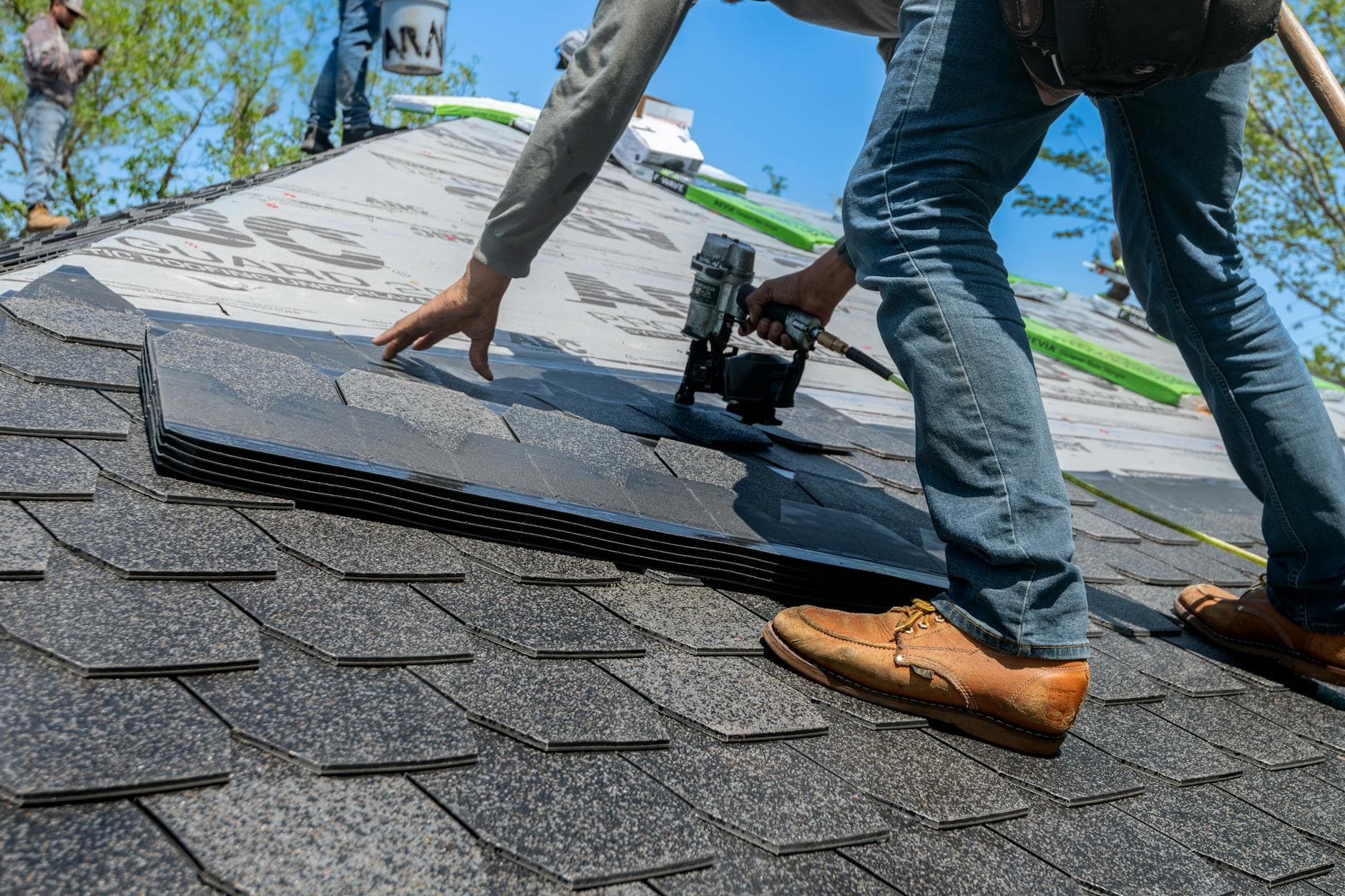
Not every replacement requires tearing off the existing roof. An overlay — installing new shingles directly over the old layer — is permitted under some conditions and eliminates tear-off labor and disposal costs, which can be a meaningful savings. However, overlay is not always the right call, and in many situations it is not permitted at all. The International Residential Code (specifically IRC R908, the section governing reroofing) limits most residential roofs to two layers of roofing material, and many local amendments are stricter — some jurisdictions allow only one layer and require a full tear-off on any replacement. Even where overlay is code-permissible, a full tear-off is often the better investment because it allows the installer to inspect and replace any damaged or rotted deck sheathing before the new roof goes on. Decking problems found under a tear-off are far cheaper to address at that moment than after the new roof is installed. Your contractor's recommendation on tear-off versus overlay should be driven by: the number of existing layers, the condition of the deck, local code requirements, and the material being installed (metal roofing, tile, and slate are almost always installed over a clean deck). Always ask for the code citation if a contractor proposes an overlay — a legitimate contractor can point to chapter and verse in the local amendment.
Permits and regional cost variation
Pulling a permit for a roof replacement is not optional in most U.S. jurisdictions — and it protects you as much as it protects the public. A permitted replacement means a licensed inspector signs off that the work meets code, which matters for insurance claims, future home sales, and warranty validity. Permit fees themselves vary from under a hundred dollars in small municipalities to several hundred in high-cost metro areas. Beyond permit fees, the broader cost of roofing labor varies significantly by region. The Bureau of Labor Statistics occupational employment data for roofers shows wage variation across metropolitan statistical areas — and installed costs track those wages closely. A replacement in a high-wage metro area will carry meaningfully higher labor costs than the same job in a lower-wage market, independent of material prices. Regional climate requirements add another layer: coastal counties in Florida and the Gulf states require high-wind fastening patterns per the Florida Building Code; northern markets require additional ice-and-water shield at eaves and valleys; California markets in fire-hazard zones require fire-rated underlayment assemblies. These requirements are not negotiable — a contractor who skips them to lower the bid is exposing you to code violations and potential claim denials. For a region-aware cost estimate that accounts for local labor and climate engineering requirements, use the Replacement Cost Calculator.
What you should actually do
If you are trying to understand what a roof replacement will cost for your specific home, the most useful first step is not reading another article — it is running your situation through a tool that accounts for your actual variables. Our Replacement Cost Calculator walks you through footprint, material, pitch, and ZIP code to produce a calibrated range. It takes about three minutes.
Once you have an estimate range in hand, the next step is getting quotes from local contractors who carry license and insurance — not one quote, but at least two or three. Talk to a roofer in our network — we run every contractor in our network through license verification, insurance confirmation, and a minimum 4.0 review score before they receive a single lead.
When you're evaluating bids, these are the contractor screening questions that matter:
- Active state license: request the license number and verify it directly with your state contractor licensing board.
- General liability + workers' compensation insurance: ask for a certificate of insurance naming you as certificate holder. If a worker is injured on your roof without workers' comp coverage, you may be liable.
- Manufacturer authorization: GAF, CertainTeed, and Owens Corning each offer workmanship warranties — but only through authorized contractors. If the shingle manufacturer's warranty matters to you, confirm the contractor's authorization before signing.
- Written scope of work: every bid should specify square footage, material brand and product line, number of layers being torn off, underlayment type, flashing replacement scope, and permit responsibility.
- Payment structure: a reasonable deposit is normal; paying more than 30–40 percent upfront before work begins is a red flag.
If your replacement is insurance-driven (storm damage, hail, wind), also read our insurance coverage guide before accepting the first adjuster scope.
Before signing any quote, two pre-decision questions are worth a few minutes: Is it cheaper to repair or replace a roof (when remaining roof life suggests repair is the better near-term call), and Asphalt vs. metal roof (the material decision that drives 30 to 60 percent of the cost variance).
FAQ
Why doesn't this page list a specific dollar amount?
A single average misleads more than no number at all. Installed cost varies by 3 to 5x across U.S. homes, driven by material, size, pitch, geometry, tear-off complexity, labor, and permits. A figure accurate for a small gable is wildly wrong for a 3,000-square-foot hip roof in a high-cost metro. The Replacement Cost Calculator produces a calibrated range for your specific home, not a one-size average.
What's the difference in cost between asphalt and metal?
The cost difference between architectural asphalt shingles and standing-seam metal is real and varies by market, but the more useful comparison is lifecycle cost, not upfront cost. Standing-seam metal carries a higher material and labor cost at installation. Architectural asphalt has a 25-to-40-year service life; standing-seam metal runs 40 to 70 years. On a long enough timeline, metal's lower lifecycle cost can offset the upfront premium — particularly in markets where asphalt is penalized by heat, hail, or high winds. Get quotes for both materials from the same contractor on the same scope so you're comparing like-for-like, then run the lifecycle math.
Does my insurance cover any of this?
It depends on the cause. Homeowners insurance typically covers sudden, accidental damage — hail, wind, falling objects, fire — but not wear-and-tear deterioration or manufacturer defect. The specific peril, your deductible, your policy's cosmetic-exclusion language, and whether your settlement is ACV (actual cash value) or RCV (replacement cost value) all affect what you'll actually receive. For the full picture, read our insurance coverage guide before deciding whether to file a claim. If you have storm damage, get a professional inspection documented before the adjuster visit — it's the strongest evidence you can bring to a claim.
How long does a typical roof replacement take?
Most residential replacements on a straightforward gable or hip roof are completed in one to three days of active work, weather permitting. Variables that lengthen the timeline: steep pitch (slower, safer working pace), complex geometry (more cut-in flashing work), multiple layers of tear-off, deck replacement on top of tear-off, and material availability (some tile and slate products have lead times). Your contractor should give you a specific schedule in writing before work begins, and the permit inspection — which happens after installation is complete — adds a day or two of wait time in many jurisdictions.
Can I overlay a new roof on top of the old one?
Sometimes, but it requires a code and condition check first. Most U.S. jurisdictions follow IRC R908, which limits residential roofs to two layers of material, and many local amendments require a single-layer tear-off on any replacement. Even where overlay is permitted, it is only appropriate when the existing layer is flat, the deck is sound, and the material being installed is compatible with an overlay installation. Metal, tile, and slate are almost never installed as an overlay — they require a clean deck. A full tear-off costs more upfront but gives you a clean inspection of the deck and a full reset on the underlayment, flashing, and ventilation.
What happens if the deck is damaged when the old roof comes off?
Deck replacement is a line item your contractor cannot scope accurately until the tear-off is complete — they can make an educated estimate based on age and any visible signs of moisture, but the actual extent only becomes clear once the old material is removed. Ask your contractor how they handle decking: reputable contractors bill for deck replacement by the sheet (typically 4×8 plywood or OSB) at a disclosed per-sheet rate, rather than leaving it as an open-ended variable. Get that rate in writing before the job starts so there are no surprises when the final invoice arrives.
This guide was written by the Local Roofing Help Editorial Team and reviewed by a licensed roofing contractor. Last reviewed: 2026-05-15. Ready to get a real estimate? Run the Replacement Cost Calculator — then compare local roofers in your area for the actual quote.
Need a local roofer?
Talk to a roofer who handles your scope. Pre-screen first, then we connect you by phone.
Under a minute. One local pro, not 12.
Lead-routing service. Calls may be recorded.