San Antonio, TX
Roof Replacement in San Antonio, TX: Talk to Local Pros Today
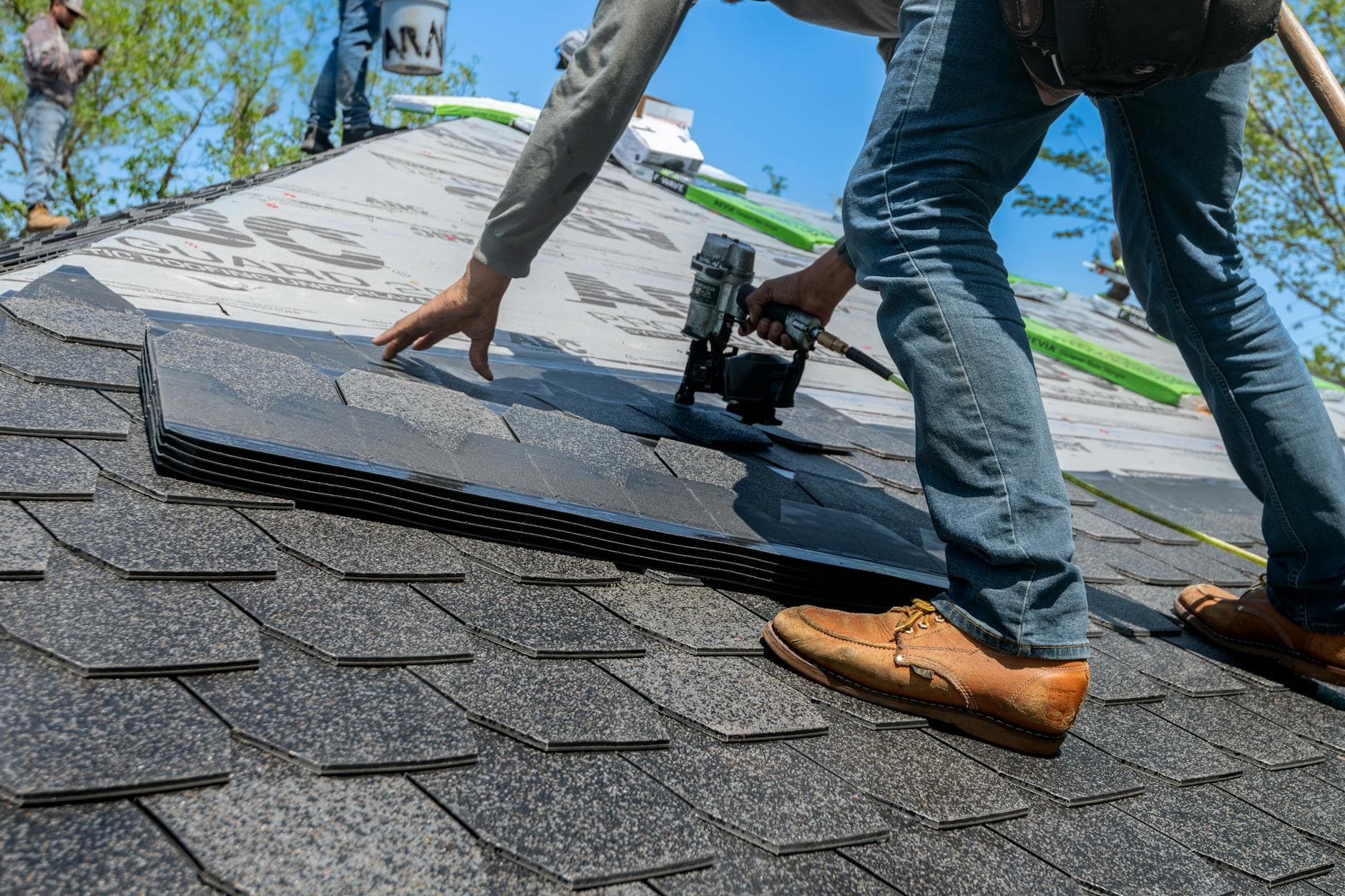
Full roof replacement for asphalt shingle, metal, tile, or flat systems: tear-off, decking inspection, underlayment, and new covering installed by a local crew.
San Antonio roofs face South-Central Texas hail and a hot-humid cycle that ages asphalt fast. Bexar County's permit overlay covers many historic neighborhoods near the River Walk.
Profile your project, get a tailored checklist, and meet San Antonio pros who specialize in your exact scope.
Roof replacement in San Antonio, TX is a local-code, local-climate, and local-labor-market decision. We connect San Antonio homeowners to a roofer in our network who handles your scope and timeline, by phone.
Roof replacement in San Antonio is a hail-belt, hot-humid, and ventilation decision
Replacing a roof in metro San Antonio sits at the intersection of three local factors generic asphalt jobs ignore. The metro sits inside the south-Texas severe-storm corridor and records multiple NOAA Storm Events Database hail and wind incidents per year, particularly through the April-through-June convective season and the late-summer tropical fringe. The April 12, 2016 hailstorm across the north-side neighborhoods of Stone Oak, Hollywood Park, and Hill Country Village remains one of the costliest hail events in Texas history and triggered carrier-claim volume that exceeded normal year totals across Bexar County.
Layer the hail exposure on top of NOAA NWS Austin/San Antonio office records of 95 to 105°F summer highs at 65 percent-plus humidity, plus a regional building stock leaning heavily on 1960s through 2000s asphalt-shingled subdivision homes, and the math shifts toward Class 4 impact-rated, algae-resistant, fully ventilated installs as the floor.
If your San Antonio-area roof is past 13 years old, has had any storm event since 2023, or hasn't been inspected since the most recent severe-weather season, talk to screened San Antonio replacement pros. Most network contractors offer a written inspection plus a no-obligation replacement scope.
Why San Antonio roofs wear out
Four local conditions compress the useful life of a generic asphalt roof in metro San Antonio:
- Hail frequency. This is the dominant variable. The metro sits inside the south-Texas severe-storm hail corridor, with cells especially active across the north-side neighborhoods (Stone Oak, Hollywood Park, Hill Country Village, and into Boerne and the Hill Country fringe) per NOAA SPC climatology. A standard 110-mph three-tab or budget architectural shingle loses mat and granules in a single 1.5-inch hailstorm. Texas carriers know this and price accordingly.
- Heat and humidity. July and August attic temperatures across the metro routinely exceed 140°F. Without balanced soffit-and-ridge ventilation, that heat cooks asphalt shingles from below and accelerates granule loss across south-facing slopes. NRCA technical guidance consistently documents a 10 to 20 percent lifespan haircut on under-ventilated asphalt roofs in this climate band.
- Algae and moss colonization. The humid summer climate combined with mature tree canopies across King William, Alamo Heights, Terrell Hills, and the older Monte Vista neighborhoods drives heavy algae and moss colonization on north-facing slopes. Visible dark streaking is the easy diagnostic; the underlying moisture retention and granule loss shortens functional roof life by 3 to 7 years without an algae-resistant formulation.
- Tropical and post-tropical events. Gulf moisture and the occasional inland-tracking tropical system per NOAA NHC climatology layer 50 to 70 mph straight-line wind exposure on top of the standard convective load. Six-nail patterns and ring-shank deck nailing are the right install spec on the wind side; four-nail "builder grade" patterns fail under these wind loads at rates that justify the upgrade.
The combined effect: a generic 110-mph architectural asphalt roof in metro San Antonio commonly hits 14 to 19 years of useful life. A Class 4 impact-rated, Class H wind-rated install with algae resistance, full ventilation upgrade, and six-nail pattern routinely reaches 24 to 30+.
Material recommendations for San Antonio roofs
For the typical San Antonio-area single-family home — asphalt-shingled, 5/12 to 9/12 pitch, suburban or master-planned — the right replacement spec is a Class 4 (UL 2218) impact-rated, Class H (130-mph) wind-rated, algae-resistant architectural asphalt shingle with sealed-deck synthetic underlayment, ice-and-water shield in valleys and around penetrations, ring-shank deck nailing in the manufacturer's six-nail high-wind pattern, and balanced soffit-and-ridge ventilation. Major brands meeting the full spec include GAF Timberline AS II with StainGuard, CertainTeed Landmark Class IV with StreakFighter, and Owens Corning Duration Storm with StreakGuard. The Texas Department of Insurance maintains a list of approved impact-rated products eligible for the carrier hail-discount endorsement; verify your selection appears there before signing.
For homeowners staying 15+ years in stay-forever neighborhoods (Alamo Heights, Terrell Hills, parts of Stone Oak and King William), standing-seam Galvalume metal is the longer-lifecycle play and increasingly common on modern-architecture renovations and Hill Country farmhouse builds. The 40 to 70 year lifespan paired with the strongest hail and wind performance in any residential roofing material wins on the math for any hold past one full claim cycle. Stone-coated steel delivers a similar performance envelope with the look of an architectural shingle. Many San Antonio HOAs that bar exposed-fastener metal allow the stone-coated profile. See our asphalt vs metal roof guide for the structured tradeoff.
For Spanish Colonial and Mediterranean homes in Alamo Heights, Olmos Park, Monte Vista, and parts of Stone Oak, clay or concrete tile is the right call where HOA covenants require it and the structure is rated for the dead load. Plan a "lift and relay" of the underlayment at the 25 to 35 year mark. The tile itself routinely outlasts the underlayment by decades, and the high-summer-temperature load makes high-temperature self-adhered underlayment a meaningful spec.
San Antonio-specific install requirements
Five items separate a quality San Antonio replacement from a generic one:
- Class 4 baseline. As above. Anything less is a financial mistake in this market. Verify the TDI product list and the carrier-specific endorsement language for the hail-resistance discount before signing.
- Permits. The City of San Antonio Development Services requires a residential roofing permit for tear-off and re-roof projects, with required inspections during the work. Alamo Heights, Terrell Hills, Olmos Park, Castle Hills, Live Oak, Schertz, Cibolo, New Braunfels, and surrounding Bexar, Comal, and Guadalupe county municipalities enforce parallel rules through their respective building departments. No legitimate San Antonio roofer skips this.
- Six-nail pattern with ring-shank deck nails. This is the published install pattern from every major shingle manufacturer's high-wind warranty and the only one that survives south-Texas severe-storm wind events without uplift. Confirm it appears in your written scope, not just "manufacturer specification."
- Algae-resistant shingles. San Antonio's humid summers and mature-canopy north slopes are textbook moss and algae conditions. Specify shingles with copper or zinc-strip algae resistance (often labeled "AR" or "StreakGuard"); the warranty premium is small and the avoided dark-streak appearance preserves curb appeal through the warranty period.
- Ventilation upgrade. Most San Antonio roofs over 12 years old are under-ventilated for the hot-humid climate. A full replacement is the moment to install balanced soffit intake and continuous ridge exhaust, sized to the attic volume per IRC R806. The upgrade adds modest cost and 5 to 8 years to effective lifespan.
Neighborhoods we replace roofs in
Demand patterns vary across metro San Antonio:
- Alamo Heights, Terrell Hills, and Olmos Park — older asphalt and tile roofs on early-1900s and mid-century homes, mature tree canopy, plank decking common. Standing-seam metal and stone-coated steel gaining share on architecturally significant renovations.
- Stone Oak, Hollywood Park, and Hill Country Village — 1990s through 2010s asphalt across north-side master-planned communities with the heaviest hail exposure in the metro per recent storm-event records. Class 4 is the floor; many properties are on their second or third Class 4 replacement.
- King William, Monte Vista, and Tobin Hill — historic-district housing with frequent Tudor, Craftsman, and Victorian architecture. Historic-preservation review may add documentation steps; stone-coated steel, slate-salvage, and tile common alongside asphalt.
- Schertz, Cibolo, and Selma — fast-growing Guadalupe and Comal county housing on the northeast metro band. Mix of newer asphalt across rapidly developed neighborhoods. Watch for builder-grade three-tab shingles installed 10 to 15 years ago that are well past their economic life.
- New Braunfels and Canyon Lake — Hill Country housing with heavy hail and wind exposure plus tile and metal architecture common. Standing-seam metal gaining share for stay-forever holds on stone-and-stucco builds.
- Helotes and Leon Springs — west-metro housing with elevated Wildland-Urban Interface considerations on Hill Country lots; Class A fire-rated assemblies increasingly mandated in adjacent unincorporated areas.
Insurance and roof replacement in Texas
Texas is among the most active roof-claim states in the country. The Texas Department of Insurance publishes consumer guidance on filing storm-damage claims and is the right escalation path for disputed claims-handling. Most major carriers maintain Texas-specific endorsements for hail and wind. Notice windows vary by carrier and policy form; file within 30 days of the damaging event wherever possible even if you are still scoping the damage with a roofer.
Texas law under Texas Insurance Code Chapter 27 prohibits a contractor from paying or waiving the homeowner's deductible on a residential roofing insurance claim. A contractor offering to eat the deductible is operating outside the statute. The Texas appraisal clause is the right path to resolve scope disputes with carriers under Tex. Ins. Code Chapter 542A which governs weather-related claim procedures.
See our guides on does insurance cover roof replacement, roof insurance claim deadlines by state, and ACV vs RCV settlement math for the full claim sequence.
What to expect from a network match
Network contractors are asked for license, COI, and background check at signup, and we ask partners to re-confirm those annually. Match flow: tell us about your project, we route the lead to up to three San Antonio-area pros who specialize in your material and damage profile, and you collect written quotes on the same scope before deciding. See our San Antonio city hub for the full local match context, and our editorial policy for the sourcing standard behind this page.
Neighborhoods we serve
- Alamo Heights
- Stone Oak
- King William
- Terrell Hills
- New Braunfels
- Schertz
- Helotes
Other services in San Antonio
Roof Repair in San Antonio
Roof Repair from local San Antonio pros.
Storm Damage in San Antonio
Storm Damage from local San Antonio pros.
Flat Roofing in San Antonio
Flat Roofing from local San Antonio pros.
Metal Roofing in San Antonio
Metal Roofing from local San Antonio pros.
Roof Inspection in San Antonio
Roof Inspection from local San Antonio pros.
Roof Replacement in nearby cities
Related guides and tools
Talk to local roof replacement pros in San Antonio
Talk to a San Antonio roof replacement pro who handles full and partial replacements.
Under a minute. One local pro, not 12.
Lead-routing service. Calls may be recorded.