Dallas, TX
Roof Replacement in Dallas, TX: Talk to Local Pros Today
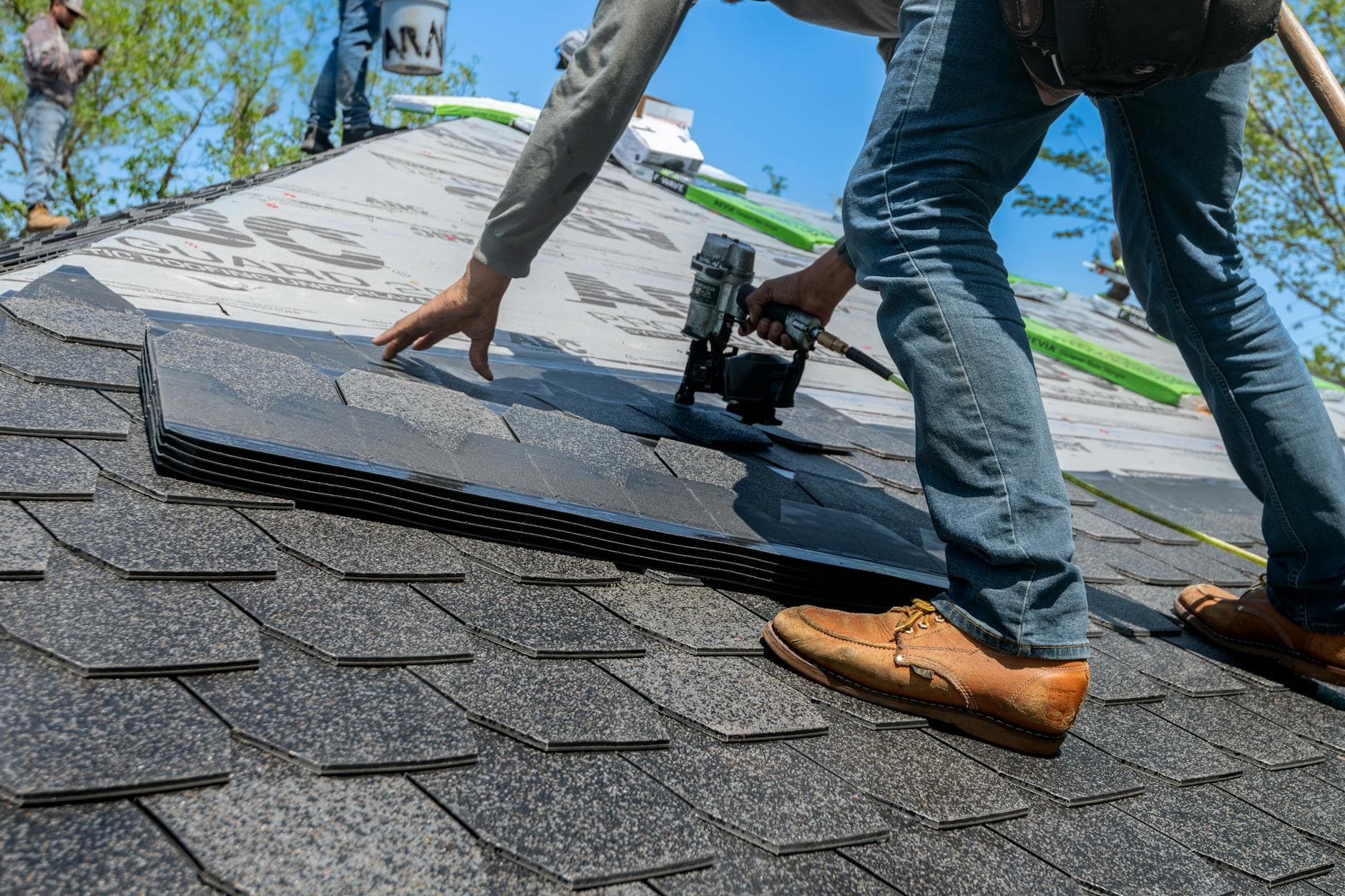
Full roof replacement for asphalt shingle, metal, tile, or flat systems: tear-off, decking inspection, underlayment, and new covering installed by a local crew.
Profile your project, get a tailored checklist, and meet Dallas pros who specialize in your exact scope.
Roof replacement in Dallas, TX is a local-code, local-climate, and local-labor-market decision. We connect Dallas homeowners to a roofer in our network who handles your scope and timeline, by phone.
Roof replacement in Dallas is a hail-belt decision first and a wind decision second
Replacing a roof in metro Dallas is unlike a generic asphalt-shingle job anywhere else in the country. The DFW metroplex sits at the center of the highest-frequency hail corridor in the United States per the NOAA Storm Events Database and the Storm Prediction Center hail climatology. Most years the metroplex records multiple 1.5–3" hail events between March and June, and a single storm cell across Plano, Frisco, McKinney, Carrollton, and Richardson can trigger tens of thousands of carrier claims in a single afternoon. On top of that the spring tornado season layers severe straight-line winds onto the same roof envelope.
The economic effect: any DFW homeowner planning to stay past one storm cycle should be installing Class 4 (UL 2218) impact-rated shingles or stone-coated steel as the floor — not as a premium upgrade. The product upcharge is small. The 5–35% hail-resistance insurance premium discount most Texas carriers offer on a Class 4 install often pays it back inside the first three years.
If your Dallas roof is past 15 years old, has lost shingles or shown granule loss after any storm since 2023, or hasn't been inspected since the May 2024 hail season, talk to screened DFW replacement pros — most network contractors offer a written inspection and a no-obligation replacement scope.
Why DFW roofs wear out
Four local conditions compress the useful life of an unspecified asphalt roof in the metroplex:
- Hail frequency. This is the dominant variable. DFW records more 1"+ hail events per year than any other major U.S. metro, with cells especially active across Collin, Denton, Dallas, and northern Tarrant counties. A standard 110-mph 3-tab or budget architectural shingle will lose mat and granules in a single 1.5" hailstorm; carriers know this and price accordingly.
- Straight-line winds and microbursts. The thunderstorm complexes that generate hail also produce 60–80 mph gusts and occasional 90+ mph microbursts. Six-nail patterns and ring-shank decking nailing are the right install spec; four-nail "builder grade" patterns fail under DFW wind loads at rates that justify the upgrade.
- Solar load and summer heat. July and August attic temperatures across DFW routinely exceed 140°F. Without balanced soffit-and-ridge ventilation, that heat cooks asphalt shingles from below and accelerates granule loss across south-facing slopes — NRCA technical guidance consistently documents a 10–20% lifespan haircut on under-ventilated asphalt roofs in this climate band.
- Foundation movement and shifting decks. DFW's expansive-clay soil moves seasonally, and aging homes in Lakewood, Oak Lawn, and the Park Cities frequently show foundation shift that translates into roof-plane racking. Decking joints open up, nails back out, and shingle seal strips break. The replacement is the moment to overlay new OSB and reset the geometry.
The combined effect: a generic 110-mph architectural asphalt roof in metro Dallas commonly hits 14–20 years of useful life — sometimes much less if a single hail event totals it earlier. A Class 4 impact-rated install with a Class H (130-mph) wind rating, full ventilation upgrade, and six-nail pattern routinely reaches 25–30+.
Material recommendations for Dallas roofs
For the typical DFW single-family home — asphalt-shingled, 6/12 to 12/12 pitch, suburban or master-planned — the right replacement spec is a Class 4 (UL 2218) impact-rated, Class H (130-mph) wind-rated architectural asphalt shingle with sealed-deck synthetic underlayment, ice-and-water shield in valleys and around penetrations, ring-shank deck nailing, and balanced soffit-and-ridge ventilation. Major brands meeting that spec are GAF Timberline AS II, CertainTeed Landmark Class IV, and Owens Corning Duration Storm. The Texas Department of Insurance maintains a list of approved impact-rated products eligible for the carrier discount; verify your selection appears there before signing.
For homeowners staying 12+ years in stay-forever neighborhoods (Highland Park, Westlake, North Dallas estates, parts of Plano), standing-seam Galvalume metal is the longer-lifecycle play and increasingly common on modern-architecture renovations. The 40–70 year lifespan paired with the strongest hail and wind performance in any residential roofing material wins on the math for any hold past one full claim cycle. Stone-coated steel delivers a similar performance envelope with the look of an architectural shingle, and many DFW HOAs that bar exposed-fastener metal allow it.
For Spanish Colonial and Mediterranean homes in University Park, Highland Park, and parts of Frisco, clay or concrete tile is the right call where HOA covenants require it and the structure is rated for the dead load. Plan a "lift and relay" of the underlayment at the 25–35 year mark — the tile itself routinely outlasts the underlayment by decades.
Dallas-specific install requirements
Five items separate a quality DFW replacement from a generic one:
- Class 4 baseline. As above — anything less is a financial mistake in this market. Verify the TDI product list and the carrier-specific endorsement language for the hail-resistance discount before signing.
- Permits. The City of Dallas requires a residential roofing permit for tear-off and re-roof projects, with a mid-progress decking inspection before the final layer. Plano, Frisco, Allen, McKinney, Richardson, Carrollton, Garland, Mesquite, Irving, and the rest of the metroplex cities enforce parallel rules through their respective building departments. No legitimate DFW roofer skips this.
- Six-nail pattern with ring-shank deck nails. This is the published install pattern from every major shingle manufacturer's high-wind warranty and the only one that survives DFW microburst events without uplift. Confirm it appears in your written scope, not just "manufacturer specification."
- Ventilation upgrade. Most DFW roofs over 12 years old are under-ventilated for the hot-summer climate. A full replacement is the moment to install balanced soffit intake and continuous ridge exhaust, sized to the attic volume per Section R806 of the IRC. The upgrade adds modest cost and 5–8 years to effective lifespan.
- Decking inspection. Older Lakewood, Oak Lawn, Bishop Arts, and East Dallas homes commonly have plank decking. The contractor should plan to overlay 7/16" OSB or replace planks where gap width or moisture content trips the meter. New construction across northern Collin and Denton counties is mostly OSB-already; the inspection still matters at the chimney and dormer flashings.
Neighborhoods we replace roofs in
Demand patterns vary across the metroplex:
- Highland Park, University Park, and Lakewood — older asphalt and tile roofs on mid-century and turn-of-the-century homes. Standing-seam metal and stone-coated steel are gaining share on the architecturally significant homes; HOA covenants vary lot by lot.
- Plano, Frisco, McKinney, and Allen — 1995–2015 asphalt roofs across master-planned communities, many hitting end of life now. Typical replacement: 30–45 sq Class 4 architectural with carrier hail-deductible discount paperwork and ventilation rebuild.
- Carrollton, Richardson, and North Dallas — mixed 1970s–2000s housing stock with heavy hail exposure across the central DFW band. Class 4 is the floor; many homeowners upgrade to stone-coated steel on the second replacement.
- Arlington, Grand Prairie, and Mansfield — Tarrant County demand with strong wind exposure on the southwestern edge of the metroplex. Six-nail pattern is non-negotiable here.
- Rockwall, Wylie, and Sachse — younger asphalt roofs across rapidly developed neighborhoods. Watch for builder-grade three-tab shingles installed 10–15 years ago that are well past their economic life despite an "unexpired" warranty.
Insurance and roof replacement in Texas
Texas is among the most active roof-claim states in the country. The Texas Department of Insurance publishes consumer guidance on filing storm-damage claims, the TWIA program covers wind-related claims in designated coastal catastrophe areas (not DFW), and most major carriers maintain Texas-specific endorsements for hail and wind. Notice windows vary by carrier and policy form — file within 30 days of the damaging event wherever possible, even if you're still scoping the damage with a roofer. See our guides on does insurance cover roof replacement, roof insurance claim deadlines, and ACV vs RCV settlement math for the full sequence.
If you have visible damage from a 2024–2026 storm event, our network includes DFW contractors experienced in carrier negotiations and the Texas appraisal-clause process. Document everything in writing and never sign a contract an out-of-state storm chaser drops at the front door.
What to expect from a network match
Every DFW contractor in our network carries an active Texas roofing credential where applicable, general liability insurance, and a clean background check before any homeowner lead reaches them. We ask network partners to re-confirm annually. Match flow: tell us about your project, we route the lead to up to three DFW-area pros who specialize in your material and damage profile, and you collect written quotes on the same scope before deciding. See our Dallas city hub for the full local match and contractor-screening context, and our editorial policy for the sourcing standard behind this page.
Neighborhoods we serve
- Highland Park
- Plano
- Frisco
- Uptown
- Lakewood
- Oak Cliff
- Arlington
- Fort Worth
Other services in Dallas
Roof Replacement in nearby cities
Related guides and tools
Talk to local roof replacement pros in Dallas
Talk to a Dallas roof replacement pro who handles full and partial replacements.
Under a minute. One local pro, not 12.
Lead-routing service. Calls may be recorded.