Salt Lake City, UT
Roof Replacement in Salt Lake City, UT: Talk to Local Pros Today
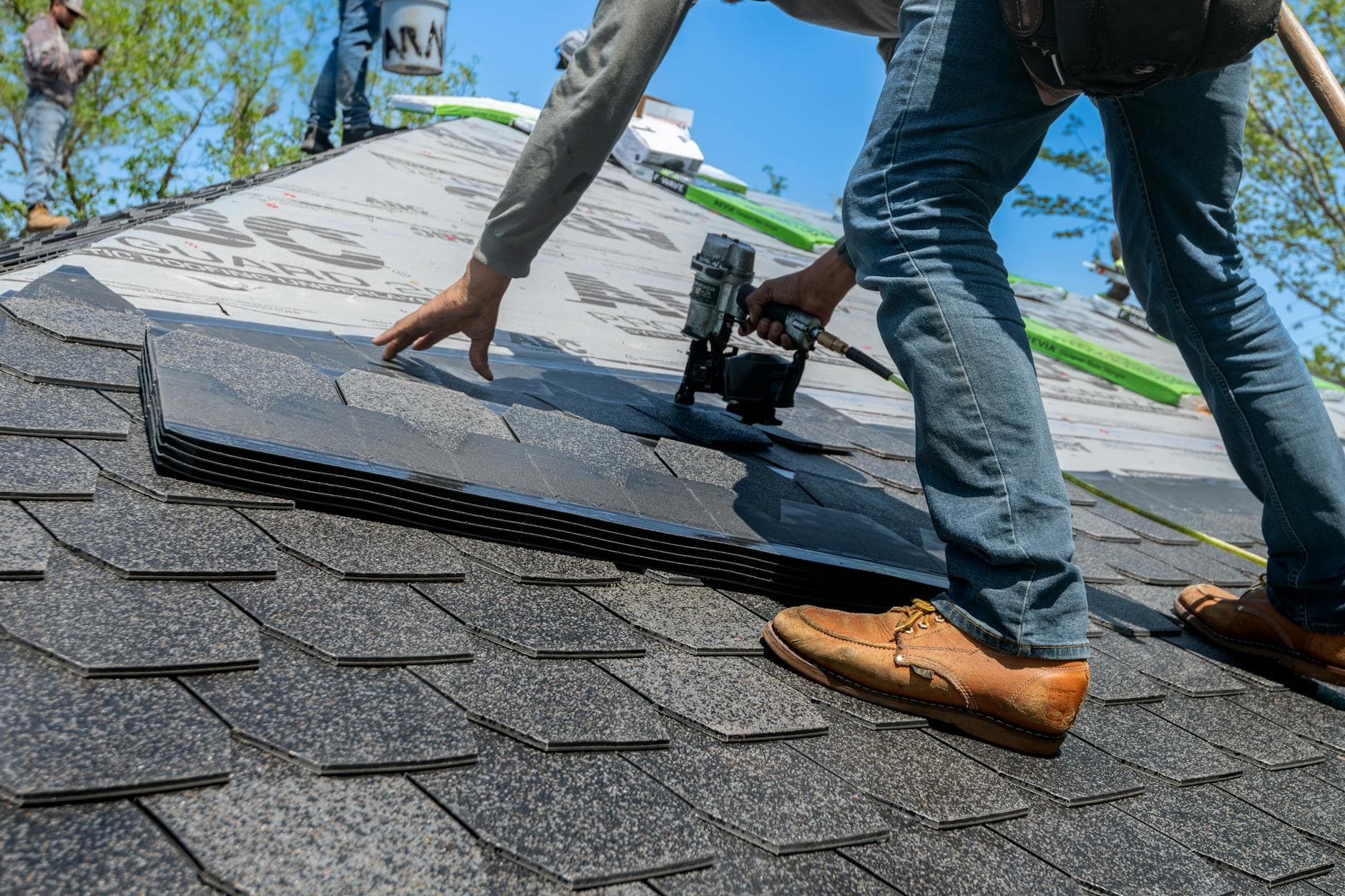
Full roof replacement for asphalt shingle, metal, tile, or flat systems: tear-off, decking inspection, underlayment, and new covering installed by a local crew.
Wasatch Front roofs face heavy snow-load and ice-dam exposure in winter, plus hail in late spring.
Profile your project, get a tailored checklist, and meet Salt Lake City pros who specialize in your exact scope.
Roof replacement in Salt Lake City, UT is a local-code, local-climate, and local-labor-market decision. We connect Salt Lake City homeowners to a roofer in our network who handles your scope and timeline, by phone.
Roof replacement in Salt Lake City is a Wasatch hail, freeze-thaw, and altitude-UV decision
Replacing a roof in Salt Lake City is not a generic asphalt-shingle job. Salt Lake, Davis, Utah, and Weber counties sit at the western edge of the Wasatch hail and severe-storm corridor, with the NOAA Storm Prediction Center recording multiple 1-inch-plus hail events across the Wasatch Front in most years. Layer on altitude UV exposure that compresses asphalt life, 80 to 110 freeze-thaw days per winter, and snow loads that push the 25-pound-per-square-foot design floor on most pre-1990 homes. The combined effect cuts the practical lifespan of an unspecified asphalt roof significantly versus published warranty numbers. Specifying the right material, the right install detail, and the right contractor for these conditions is the entire job.
If your Salt Lake City roof is past 15 years old, has lost shingles in any wind event since the spring 2024 storm cluster, or has visible eave staining after a cold-snap thaw, talk to screened Salt Lake City replacement pros and most network contractors offer a written inspection and a no-obligation replacement scope.
Why Salt Lake City roofs wear out faster
Three local conditions compress the lifespan of an unspecified asphalt roof in the Salt Lake City metro:
- Wasatch hail exposure. The Wasatch Front records multiple 1-inch-plus hail events per year on the NOAA Storm Events Database, with cells active across Salt Lake and Davis counties in the late-spring and summer severe-storm windows. Cosmetic damage on an asphalt roof routinely becomes functional failure 1 to 3 years post-event.
- Altitude UV and freeze-thaw. At 4,200 feet of base elevation, Salt Lake City sees materially higher UV intensity than sea-level metros at the same latitude. Combine that with 80 to 110 freeze-thaw days per winter and the compound effect is one of the most aggressive shingle-aging climates in the Mountain West.
- Snow load and ice-dam risk. Lake-effect winter precipitation from the Great Salt Lake produces heavy wet-snow events. Snow on the roof melts from heat loss through an under-ventilated attic, refreezes at the colder eave, and pushes meltwater under shingles into the structure. The damage typically shows as ceiling staining 4 to 8 feet in from an exterior wall after a thaw.
The combined effect: a generic 110-mph architectural asphalt roof in Salt Lake City commonly hits 16 to 21 years of useful life. A Class H (130-mph) Class 4 impact-rated install with extended ice-and-water shield, balanced ventilation, and snow guards on steep slopes hits 25 to 30+. The product upcharge is modest. The lifecycle delta is large.
Material recommendations for Salt Lake City roofs
For most Salt Lake City single-family homes, the right replacement spec is a Class H (130-mph) wind-rated, Class 4 (UL 2218) impact-rated architectural asphalt shingle with full balanced ventilation, a 6-foot ice-and-water shield strip at every eave, full coverage in valleys and around penetrations, ring-shank deck nailing, and a sealed-deck synthetic underlayment. Major brands meeting that spec install at the same price point as standard architectural products in this market, and several Utah carriers offer hail-resistance premium credits on documented Class 4 installations.
For homeowners staying past 12 to 15 years, standing-seam Galvalume metal at 40 to 70 years of functional life is the longer-lifecycle play. The concealed-fastener clip system handles snow-slide loading and freeze-thaw cycling better than exposed-fastener panels, and properly placed snow guards prevent slide-off damage to gutters and landscaping below steep slopes common in The Avenues and Federal Heights. See our asphalt vs metal roof guide for the structured comparison.
For The Avenues Tudors with original slate, slate salvage and rebuild preserves architectural value and outlasts asphalt by decades. Slate-trained crews are a small subset of the Wasatch contractor pool.
Salt Lake City-specific install requirements
Beyond the material spec, four install items matter on every Salt Lake City replacement:
- Permits. The City of Salt Lake requires a residential roofing permit through Building Services for tear-off and re-roof projects. Sandy, Cottonwood Heights, Draper, Bountiful, Lehi, and surrounding Salt Lake, Davis, and Utah county municipalities all enforce parallel rules through their building departments. No legitimate Wasatch roofer skips this step.
- Extended ice-and-water shield. The standard 36-inch ice-and-water shield per IRC R905.1.2 is the floor, not the spec. For Wasatch winters, install a 6-foot strip from the eave inward plus full coverage in all valleys and around every penetration. This is the textbook defense against ice-dam leaks on the older intown housing stock.
- Snow guards on steep slopes. Steep-pitch Avenues and Federal Heights homes with metal or smooth-surface roofs need engineered snow-guard placement above doorways, walkways, and HVAC condensers to prevent slide-off injury and equipment damage. Snow-guard placement is a separate spec line that the contractor should call out in writing.
- Balanced ventilation upgrade. Most Salt Lake City attics over 20 years old are under-ventilated for the climate. A full replacement is the moment to install balanced soffit intake and continuous ridge exhaust, sized to the attic volume per Section R806 of the IRC. The ventilation upgrade adds modest cost and adds 5 to 8 years to the new roof's effective life.
Neighborhoods we replace roofs in
Demand patterns vary by zone:
- The Avenues and Federal Heights. Pre-1940s Tudors, Victorians, and craftsman homes with steep pitches, original plank decking, and slate or asphalt fields. Typical replacement: slate salvage and rebuild where the field is original, or Class H, Class 4 architectural asphalt with extended ice-and-water shield, deck overlay, and snow-guard placement.
- Sugar House and East Bench. Mid-century brick and stucco homes with 1950s through 1970s asphalt. Typical replacement: stock Class H architectural with extended ice-and-water shield and balanced ventilation rebuild on the original ridge-vent-free attics.
- Sandy, Cottonwood Heights, and Draper. Suburban single-family with 1990s through 2010s asphalt roofs hitting end of life now. Typical replacement: 25 to 35 square Class H, Class 4 architectural with hail-deductible discount paperwork.
- Bountiful and Centerville. Davis County suburbs with mixed housing stock. Typical replacement: Class H, Class 4 architectural with extended ice-and-water shield.
- Lehi, Pleasant Grove, and Provo (Utah County). Younger asphalt roofs but heavy southern Wasatch Front hail exposure. Typical replacement: Class 4 impact-rated upgrade with documented carrier discount filing.
Insurance and replacement
A meaningful share of Salt Lake City replacement work runs through homeowner insurance after a documented hail or wind event. The right contractor knows the supplement workflow. Adjuster scopes routinely miss code-required upgrades, full-slope replacement under the policy matching provision, and decking damage that the shingle cover hides until tear-off. Network contractors we route for carrier-coordinated work have documented insurance-supplement experience and Haag-certified inspectors where needed. See our does insurance cover roof replacement guide for the full filing-to-payment workflow.
What drives the cost of a Salt Lake City replacement
We do not publish dollar amounts. Salt Lake City-specific cost drivers, in order of impact:
- Roof complexity and pitch. The Avenues and Federal Heights homes with steep, cut-up geometry cost meaningfully more per square than Sandy or Draper hip-and-gable suburban layouts.
- Decking condition. Older intown homes commonly need partial overlay or replacement. Newer suburban subdivisions usually do not.
- Snow-guard and architectural detailing. Steep-pitch homes need engineered snow-guard placement. Slate and standing-seam metal are larger lifts than stock asphalt.
- Material spec. Class 4 impact-rated upcharge is small. Standing-seam metal and slate are larger lifts.
- Permit and inspection fees. Salt Lake City, Sandy, Cottonwood Heights, Draper, Bountiful, Lehi, and the surrounding municipalities each have different fee schedules.
- Crew availability after storm events. Post-hail windows compress crew availability across the corridor. Off-cycle scheduling typically costs less.
The honest comparison: get multiple quotes from screened Salt Lake City pros on the same scope. Talk to replacement specialists and the roof replacement match tool profiles your project before the conversation.
How we screen Salt Lake City replacement contractors
Every contractor in our Salt Lake City network for replacement work clears: a verified active Utah Division of Occupational and Professional Licensing (DOPL) contractor license, a one-million-dollar-or-higher general liability policy, current Utah workers' comp coverage, manufacturer installer credentials such as GAF Master Elite or CertainTeed SELECT ShingleMaster, background-check documentation, an aggregated 4.0-plus review score floor across third-party platforms, and verifiable Wasatch Front work history with no out-of-state storm-chaser routing.
FAQ
Do I need a permit to replace my roof in Salt Lake City?
Yes. The City of Salt Lake requires a residential roofing permit through Building Services for any tear-off and re-roof project. Sandy, Cottonwood Heights, Draper, Bountiful, Lehi, and surrounding Salt Lake, Davis, and Utah county municipalities enforce parallel rules through their building departments. Your contractor pulls the permit; verify the permit number before crews start.
How far should ice-and-water shield extend on a Salt Lake City roof?
Standard 36-inch ice-and-water shield per IRC R905.1.2 minimums is not enough for the Wasatch winter climate. The standard spec for this market is a 6-foot strip from the eave inward, plus full coverage in all valleys and around every penetration. This is the textbook defense against ice-dam leaks on the older intown housing stock.
Should I specify Class 4 impact-rated shingles in Salt Lake City?
For most homeowners, yes. The product upcharge is modest and several Utah carriers offer hail-resistance premium credits on documented Class 4 (UL 2218) installations. Past one significant hail event, a Class 4 roof is materially more likely to survive without a claim trigger.
What roof material lasts longest in Salt Lake City?
For lifecycle: standing-seam Galvalume metal at 40 to 70 years, with strong freeze-thaw, hail, and snow-load performance plus engineered snow-guard compatibility. For simplest insurability and resale: Class H wind-rated, Class 4 impact-rated architectural asphalt shingle at 25 to 30+ years effective with full ventilation and extended ice-and-water shield. For historic Avenues and Federal Heights homes: slate at 90 to 150 years on the original tile.
Do I need snow guards on a Salt Lake City roof?
If your roof is steep and has metal or smooth-surface material above a doorway, walkway, HVAC condenser, or driveway, yes. Engineered snow-guard placement prevents slide-off injury and equipment damage during winter melt cycles. Snow-guard placement is a separate spec line that the contractor should call out in writing on any standing-seam metal or stone-coated steel install in The Avenues, Federal Heights, or Cottonwood Heights.
How fast does the qualifier connect me by phone with a Salt Lake City replacement contractor?
Typical match time is under 60 seconds via the qualifier on this page. First contractor contact is by live phone transfer when an agent is on call, or callback as fast as an hour. For storm-damaged roofs needing emergency tarp before full replacement starts, we route to rapid-availability pros first. Inspection lead times stretch in the first 14 days after major hail clusters.
Neighborhoods we serve
- The Avenues
- Federal Heights
- Sugar House
- Sandy
- Cottonwood Heights
- Draper
- Bountiful
- Lehi
Other services in Salt Lake City
Roof Repair in Salt Lake City
Roof Repair from local Salt Lake City pros.
Storm Damage in Salt Lake City
Storm Damage from local Salt Lake City pros.
Flat Roofing in Salt Lake City
Flat Roofing from local Salt Lake City pros.
Metal Roofing in Salt Lake City
Metal Roofing from local Salt Lake City pros.
Roof Inspection in Salt Lake City
Roof Inspection from local Salt Lake City pros.
Roof Replacement in nearby cities
Related guides and tools
Talk to local roof replacement pros in Salt Lake City
Talk to a Salt Lake City roof replacement pro who handles full and partial replacements.
Under a minute. One local pro, not 12.
Lead-routing service. Calls may be recorded.