Philadelphia metro
Roofing Contractors in Philadelphia, PA
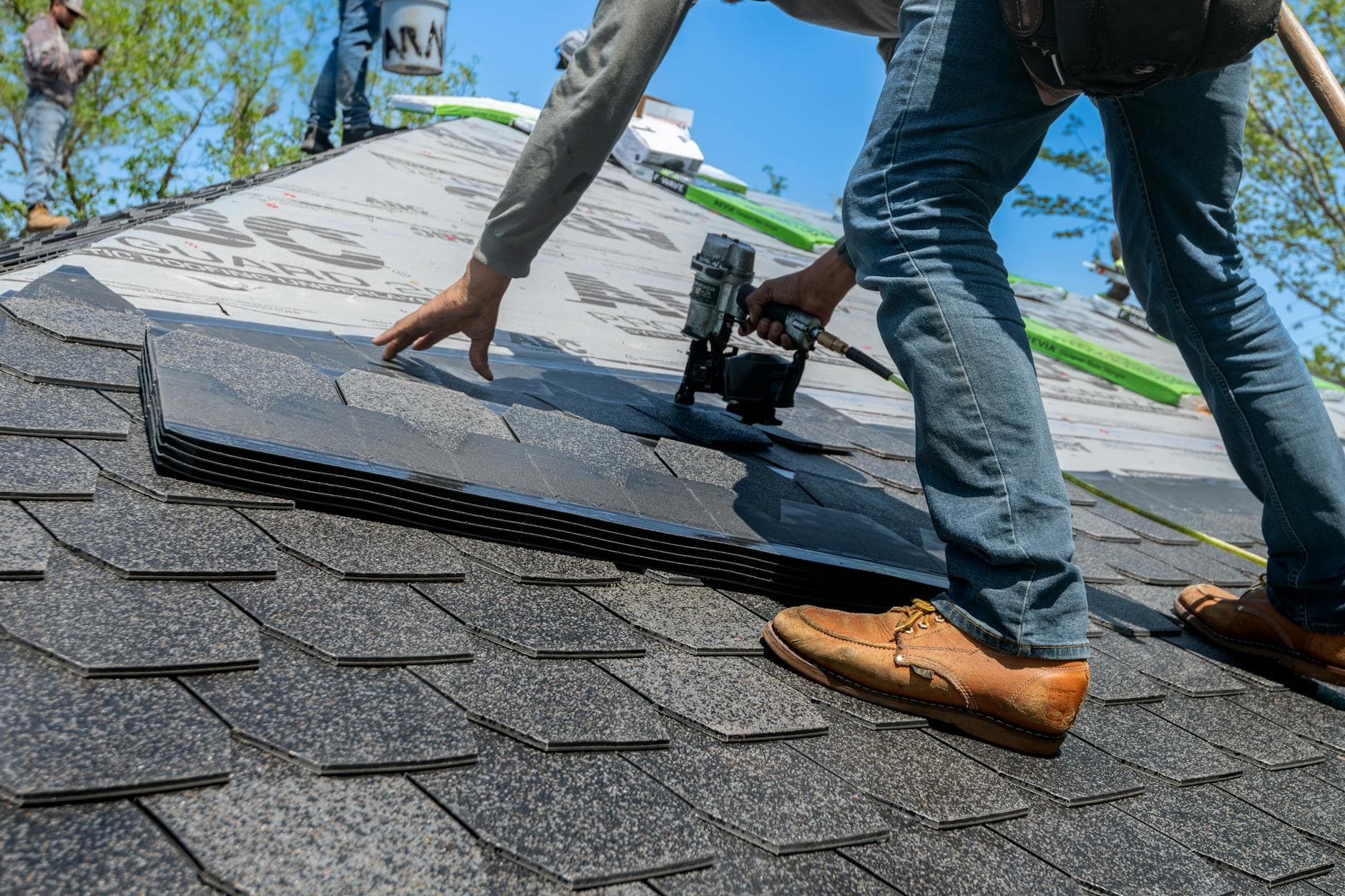
Local roofing pros in our network serving the Philadelphia metro. Cold winters with snow and ice loads drive asphalt-shingle replacement demand, and our network is staffed for that scope.
Philadelphia market snapshot
The Philadelphia metro is home to 6,232,894 residents and 2,590,451 housing units, a mostly asphalt-shingle market. Cold winters with ice-dam exposure put most roofs on a 25 to 30 year replacement cycle.
Our Philadelphia contractor network is growing each week.
Roofing in Philadelphia
Roofing in Philadelphia, PA is shaped by the local cold-climate market and the age of the housing stock. Local Roofing Help connects Philadelphia homeowners to a roofer in our network by phone, with no web form and no resold leads.
Roofing in metro Philadelphia is a rowhouse-and-twin discipline crossed with a freeze-thaw climate that punishes any roof system not designed for it. The District's distinctive 19th-century brick rowhouses dominate Center City and surrounding neighborhoods, and a meaningful share of the metro's residential housing has flat or low-slope main roofs behind brick parapets. Step into the Main Line, Bucks County, or the South Jersey suburbs and the housing flips to architectural-shingle Cape Cods, colonials, and newer builds where ICC climate zone 4A and 5A ice-and-water shield requirements apply.
If your roof is past 18 years old or has shown ice-dam streaks any winter in the last five, talk to Philadelphia roofers in our network — most network pros offer a no-charge inspection and written report.
What's different about roofing in Philadelphia
The Philadelphia metro covers Philadelphia, Montgomery, Bucks, Chester, and Delaware counties in PA, plus Camden, Burlington, and Gloucester counties in NJ. Three forces define roofing decisions here:
- Rowhouse and twin dominance in the city. A meaningful share of Philadelphia's residential housing is the classic 1880s–1920s brick rowhouse with a flat or low-slope main roof behind a brick parapet. Flat-roof maintenance — modified bitumen historically, increasingly TPO — is half the city's roofing economy. Per the City of Philadelphia Department of Licenses and Inspections, almost every roofing job within city limits requires a permit and a licensed contractor.
- Freeze-thaw exposure. Philadelphia sits in ICC climate zone 4A, with Bucks and Chester counties pushing into 5A. Self-adhered ice-and-water-shield underlayment running 24 inches inside the heated wall line is a code requirement on steep-slope roofs in the suburbs and a smart spec everywhere. Without it, ice damming pushes water back under shingles in colder winters.
- Older urban housing stock. A meaningful share of the city's single-family inventory dates to the early 1900s — board-sheathing decks, complex pitches, masonry chimneys with copper or galvanized flashing detail, and frequent decking-replacement scope on tear-offs.
Neighborhoods we serve
Philadelphia metro roofing demand patterns sort by housing type and jurisdiction:
- Center City, Fishtown, and Northern Liberties — older brick rowhouses with flat or low-slope main roofs behind parapets. Common job: modified bitumen replacement or TPO recover plus parapet flashing rebuild and copper-coping repair.
- Manayunk and Chestnut Hill — older twins and steep-pitched homes with frequent decking-replacement scope. Common job: full tear-off plus board-sheathing inspection plus architectural-shingle install with full-eave ice-and-water shield.
- Bryn Mawr and the Main Line (Montgomery and Delaware counties) — established colonial and Cape Cod housing with complex pitches and chimney flashing scope. Common job: 30–45 sq architectural-shingle replacement plus copper flashing rebuild.
- King of Prussia and Bucks County corridor — newer suburban subdivisions with original-builder asphalt now in the replacement window. Common job: full tear-off plus impact-rated upgrade.
If your house is in any of those zones, talk to a roofer here.
How we connect Philadelphia homeowners
Network contractors in the Philadelphia metro carry Pennsylvania Home Improvement Contractor (HICPA) registration — required for residential work above the state contract-value threshold — New Jersey Home Improvement Contractor registration for South Jersey work, one-million-dollar-or-higher general liability coverage, current workers' comp, and a 4.0+ aggregated review-score floor. For Philadelphia-city work, we route only to contractors with documented L&I filing history.
To pick the right next step:
- For flat-roof rowhouse maintenance or replacement, see flat roofing for the system-by-system comparison.
- For an aging suburban asphalt roof, the roof lifespan estimator factors the metro's cold + freeze-thaw profile.
- For storm-damaged roofs after wind or ice events, run the storm damage assessor before calling your carrier.
Philadelphia roofing services
Common Philadelphia metro requests in our network: roof replacement in Philadelphia, roof repair in Philadelphia, and flat roofing for the city's rowhouse housing stock. Adjacent Northeast metros where we also place leads include New York and Washington. For cornerstone reading on whether a winter-damage repair is worth a full replacement, see is it cheaper to repair or replace a roof.
FAQ
Do I need a permit to replace my roof in Philadelphia?
Yes — the City of Philadelphia Department of Licenses and Inspections requires residential roofing permits for tear-off and reroof projects. Suburban municipalities and South Jersey townships all require permits as well. Pennsylvania HICPA registration is required for residential work above the state's contract-value threshold; verify your contractor's HICPA number before signing.
Are flat roofs common in Philadelphia?
Yes — Philadelphia has one of the highest flat-roof concentrations of any major U.S. metro because of the rowhouse housing stock. Modified bitumen has been the dominant historical system; TPO is gaining share on replacement work because of the reflective surface and longer service life. Parapet maintenance is typically part of any meaningful flat-roof project.
How do I prevent ice dams on a Philadelphia or Main Line roof?
Three things, in order of impact: full-eave ice-and-water-shield underlayment running 24 inches inside the heated wall line; attic insulation at R-49 or higher per the 2024 IECC; and attic ventilation balanced between soffit intake and ridge exhaust. Most ice-dam problems trace to attic heat loss melting snow at the field of the roof and re-freezing at the colder eaves.
Which roof material works for Philadelphia?
For most suburban homeowners: an architectural asphalt shingle with a 110+ mph wind rating, full-eave ice-and-water shield underlayment, and balanced attic ventilation. For city rowhouses with flat main roofs, modern TPO outperforms legacy modified bitumen on lifecycle. Standing-seam metal is gaining share on contemporary suburban architecture and on row-conversion contemporary roof decks.
How fast does the qualifier connect me by phone in Philadelphia?
Typical connect time is under 60 seconds. First contractor contact is by live phone transfer when an agent is on call, or callback as fast as an hour. For active winter leaks from ice damming or storm-damage emergencies, we route to rapid-availability pros first.
Neighborhoods served
- Center City
- Fishtown
- Manayunk
- Chestnut Hill
- Northern Liberties
- Bryn Mawr
- King of Prussia
Services available in Philadelphia
Roof Replacement in Philadelphia, PA
Roof Replacement services from local pros.
Roof Repair in Philadelphia, PA
Roof Repair services from local pros.
Storm Damage Roof Repair in Philadelphia, PA
Storm Damage services from local pros.
Flat and Low-Slope Roofing in Philadelphia, PA
Flat Roofing services from local pros.
Metal Roofing in Philadelphia, PA
Metal Roofing services from local pros.
Roof Inspection in Philadelphia, PA
Roof Inspection services from local pros.
Nearby and related markets
What Philadelphia homeowners ask
How Much Does a New Roof Cost
Why a single national average misleads on roof replacement cost, the six variables that drive your real price, and how to get calibrated quotes from local pros.
Roof Deductible by State: Wind, Hail, and Hurricane Math
Wind/hail and hurricane deductibles by state. How percentage-of-dwelling math works, what triggers a named-storm deductible, and how to lower your effective deductible at renewal.
Does Insurance Cover Roof Replacement
Everything homeowners need to know about does insurance cover roof replacement. Sourced from licensed roofers and primary building-code references. Get.
How Long Does a Roof Last? Lifespan by Material and Climate
How long different roof types last: asphalt, metal, tile, slate, wood, TPO. Climate effects, warning signs, and when to plan replacement.
About our local pros
- Local
- Independent
- Homeowner-verified
Talk to Philadelphia roofers
Talk to a Philadelphia roofer who handles full and partial replacements.
Under a minute. One local pro, not 12.
Lead-routing service. Calls may be recorded.