Sacramento, CA
Roof Replacement in Sacramento, CA: Talk to Local Pros Today
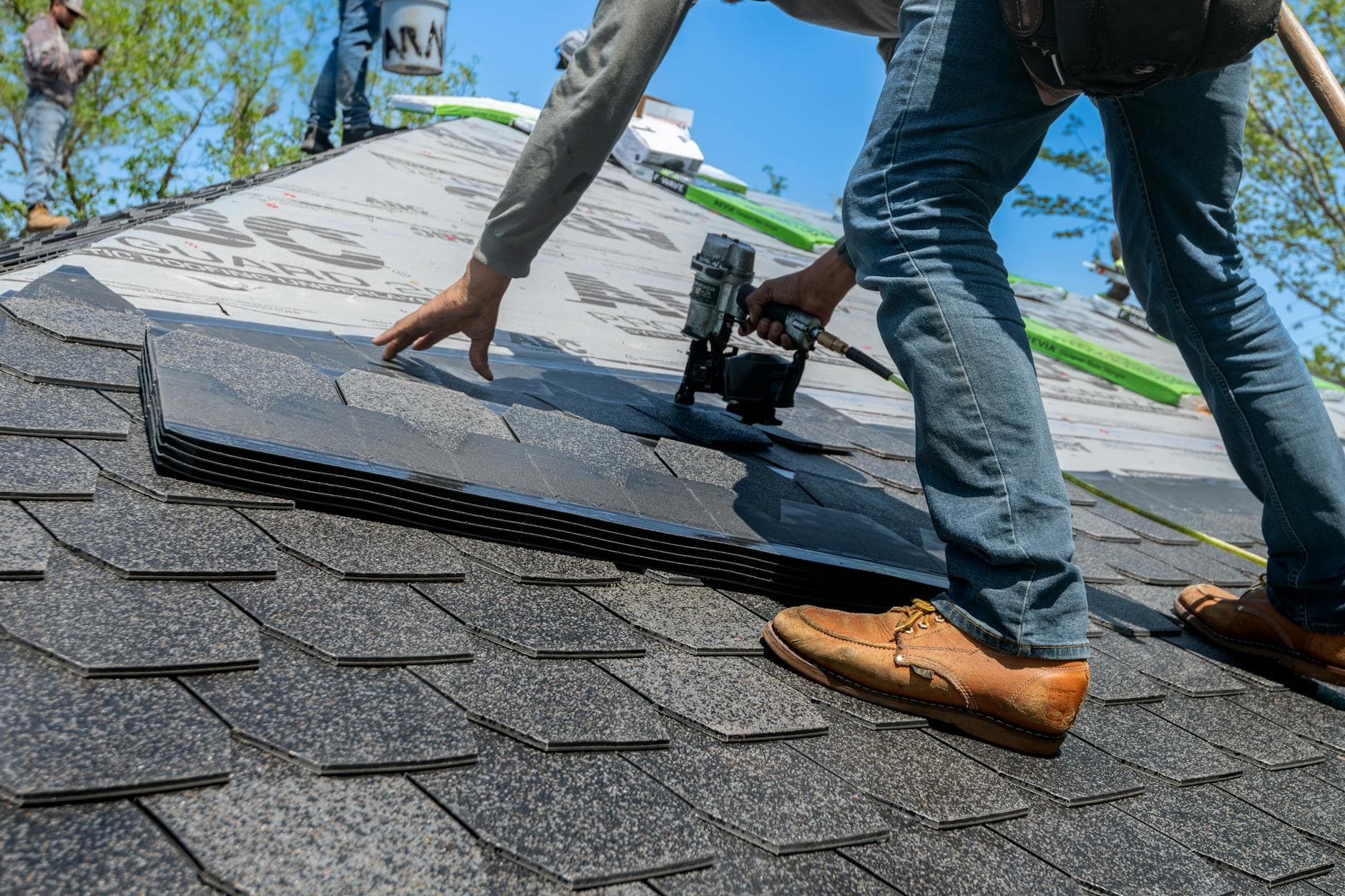
Full roof replacement for asphalt shingle, metal, tile, or flat systems: tear-off, decking inspection, underlayment, and new covering installed by a local crew.
Profile your project, get a tailored checklist, and meet Sacramento pros who specialize in your exact scope.
Roof replacement in Sacramento, CA is a local-code, local-climate, and local-labor-market decision. We connect Sacramento homeowners to a roofer in our network who handles your scope and timeline, by phone.
Roof replacement in Sacramento is a Central Valley heat, wildland-fire, and Title 24 decision
Replacing a roof in Sacramento is not a generic asphalt-shingle job. Sacramento, Placer, El Dorado, and Yolo counties experience a Central Valley summer with attic temperatures routinely pushing 130 to 150 degrees on unventilated roofs in July and August. Layer on the wildland-urban-interface fire-zone designation across the east-side Sierra foothill suburbs where Class A roof assemblies and ember-resistant detailing are not optional, plus California Title 24 Part 6 cool-roof requirements on every replacement. The result is a market where the right replacement spec is determined as much by code as by climate, and the wrong contractor on a WUI job can void homeowner insurance. Specifying the right material, the right install detail, and the right contractor for these conditions is the entire job.
If your Sacramento roof is past 18 years old, sits in a CAL FIRE designated Very High Fire Hazard Severity Zone (VHFHSZ) and is not Class A rated, or has visible heat-cycle damage on south-facing slopes, talk to screened Sacramento replacement pros and most network contractors offer a written inspection and a no-obligation replacement scope.
Why Sacramento roofs wear out faster
Three local conditions compress the lifespan of an unspecified asphalt roof in the Sacramento metro:
- Central Valley summer heat. July and August attic temperatures across the region routinely push 130 to 150 degrees on unventilated roofs. Without balanced soffit-and-ridge ventilation, attic heat cooks shingles from below and accelerates granule loss across the field, particularly on south and west-facing slopes.
- Wildfire and ember exposure. Sacramento metro neighborhoods on the east side, in El Dorado County, and along the Sierra foothill edge sit inside CAL FIRE designated Very High Fire Hazard Severity Zones. California Building Code Chapter 7A requires Class A roof assemblies with ember-resistant vent and eave detailing on any replacement in a WUI zone. Non-compliant assemblies are insurance refusal triggers.
- UV and Title 24 cool-roof code. California Title 24 Part 6 mandates cool-roof reflectance and emissivity minimums on every residential re-roof, with stricter requirements in Climate Zones 11 and 12 (Sacramento Valley). Standard dark architectural shingles often do not meet code without an explicit cool-roof formulation.
The combined effect: a generic 110-mph dark architectural asphalt roof in Sacramento commonly hits 17 to 22 years of useful life and may not be code-compliant on a new install at all. A Class A, Title 24 compliant, light-color Energy Star certified asphalt or stone-coated steel install with full ventilation hits 25 to 30-plus years and meets every applicable code.
Material recommendations for Sacramento roofs
For most Sacramento single-family homes outside the WUI fire zones, the right replacement spec is a Class A fire-rated, Title 24 compliant cool-roof architectural asphalt shingle with full balanced ventilation, ice-and-water shield in valleys and around penetrations, ring-shank deck nailing, and a sealed-deck synthetic underlayment. Major brands meeting that spec ship with explicit cool-roof labeling (CRRC-rated) and often qualify for federal energy-efficiency tax credits under IRS Section 25C.
For homes inside a CAL FIRE designated VHFHSZ, the spec stiffens. Class A roof assembly with ember-resistant vent screens (1/8-inch mesh maximum), enclosed eaves, and noncombustible gutters and downspouts per California Building Code Chapter 7A. Standing-seam metal, stone-coated steel, and concrete or clay tile are the simplest paths to a Class A assembly; Class A asphalt-shingle systems are achievable with the right underlayment and the right deck.
For homeowners staying past 12 to 15 years, standing-seam Galvalume metal with PVDF reflective coating at 40 to 70 years of functional life is the longer-lifecycle play. The reflective coating drops summer attic temperatures meaningfully and meets Title 24 cool-roof requirements without separate certification. See our asphalt vs metal roof guide for the structured comparison.
For mid-century ranch and modern-architecture homes in East Sacramento, Curtis Park, and Land Park, stone-coated steel combines a tile-look architectural finish with Class A fire performance and the wind and hail performance of metal at a 40-plus year functional life.
Sacramento-specific install requirements
Beyond the material spec, four install items matter on every Sacramento replacement:
- Permits. The City of Sacramento requires a residential roofing permit through Building Permits and Inspection for tear-off and re-roof projects. Roseville, Rocklin, Folsom, El Dorado Hills, and Elk Grove all enforce parallel rules through their building departments. No legitimate Sacramento roofer skips this step.
- California licensing. California requires a CSLB C-39 roofing contractor license for any residential roofing work over 500 dollars in value. Verify the license number and bond status on the CSLB website before signing any contract.
- WUI Chapter 7A compliance. For any home in a CAL FIRE designated Very High or High Fire Hazard Severity Zone, every component, fastener, and accessory must meet California Building Code Chapter 7A: Class A roof assembly, ember-resistant vent screens at 1/8-inch maximum mesh, enclosed eaves, noncombustible gutters and downspouts. The contractor should document Chapter 7A compliance in writing.
- Title 24 cool-roof compliance. The shingle, tile, or metal product must carry a Cool Roof Rating Council (CRRC) rating that meets or exceeds the Title 24 Part 6 reflectance and emissivity minimums for the local climate zone. Documentation lives on the manufacturer's spec sheet and goes into the permit file.
Neighborhoods we replace roofs in
Demand patterns vary by zone:
- East Sacramento, Curtis Park, and Land Park. Pre-1950s craftsman and Tudor-influenced homes with original plank decking and steep slopes. Typical replacement: tear-off Class A architectural with full deck overlay, Title 24 cool-roof labeling, and ridge ventilation rebuild.
- Roseville, Rocklin, and Lincoln. Master-planned subdivisions with 1990s through 2010s housing. Typical replacement: 25 to 35 square Class A, Title 24 compliant architectural asphalt with cool-roof certification.
- Folsom and El Dorado Hills. WUI fire-zone exposure along the eastern Sierra foothill edge. Typical replacement: Chapter 7A compliant Class A assembly with ember-resistant vent retrofit, often stone-coated steel or concrete tile.
- Elk Grove and Galt. Younger asphalt and tile housing stock. Typical replacement: Class A architectural with high-temperature underlayment on tile lift-and-relays.
- Davis and Woodland (Yolo County). Yolo-side metro with separate permit regime. Typical replacement: Title 24 compliant Class A architectural, often with solar integration considerations because of the high solar adoption rate.
Insurance and replacement
A meaningful share of Sacramento replacement work runs through homeowner insurance after a documented wind, hail, or wildfire event. The right contractor knows the supplement workflow. WUI-zone homes especially benefit from a Chapter 7A compliance documentation packet that supports both insurance renewal and future claim defense. Network contractors we route for carrier-coordinated work have documented insurance-supplement experience and CAL FIRE Chapter 7A credential familiarity. See our does insurance cover roof replacement guide for the full filing-to-payment workflow.
What drives the cost of a Sacramento replacement
We do not publish dollar amounts. Sacramento-specific cost drivers, in order of impact:
- WUI zone designation. Class A roof assembly plus Chapter 7A ember-resistant detailing on a Folsom or El Dorado Hills home is a different price universe than a stock Title 24 compliant install on an Elk Grove subdivision home.
- Tile lift-and-relay versus tile-to-asphalt conversion. Most tile homes are better served by lift-and-relay because the existing tile has decades of life left.
- Roof complexity and pitch. East Sacramento and Curtis Park homes with steep, cut-up rooflines cost meaningfully more per square than Roseville or Rocklin hip-and-gable layouts.
- Material spec. Title 24 cool-roof and Class A upcharges are small for asphalt, larger for stone-coated steel and standing-seam metal.
- Permit and inspection fees. Sacramento, Roseville, Rocklin, Folsom, El Dorado Hills, and Elk Grove each have different fee schedules.
- Solar integration. Homes with existing solar require coordinated removal and reset, adding scope that single-trade contractors cannot execute.
The honest comparison: get multiple quotes from screened Sacramento pros on the same scope. Talk to replacement specialists and the roof replacement match tool profiles your project before the conversation.
How we screen Sacramento replacement contractors
Every contractor in our Sacramento network for replacement work clears: a verified active CSLB C-39 roofing license with current bond, a one-million-dollar-or-higher general liability policy, current California workers' comp coverage, manufacturer installer credentials such as GAF Master Elite or CertainTeed SELECT ShingleMaster, background-check documentation, an aggregated 4.0-plus review score floor across third-party platforms, and verifiable Sacramento-area work history with no out-of-state storm-chaser routing. For WUI work, additional Chapter 7A credential verification and documented project history on comparable fire-zone homes.
FAQ
Do I need a permit to replace my roof in Sacramento?
Yes. The City of Sacramento requires a residential roofing permit through Building Permits and Inspection for any tear-off and re-roof project. Roseville, Rocklin, Folsom, El Dorado Hills, and Elk Grove enforce parallel rules through their building departments. Your contractor pulls the permit; verify the permit number before crews start.
What is California Title 24 cool-roof code and how does it affect my replacement?
California Title 24 Part 6 mandates cool-roof reflectance and emissivity minimums on every residential re-roof, with stricter requirements in Sacramento Valley climate zones. The shingle, tile, or metal product must carry a Cool Roof Rating Council (CRRC) rating that meets or exceeds the local minimums. Standard dark architectural shingles often do not meet code without an explicit cool-roof formulation. Documentation goes into the permit file.
Do I need a Class A roof assembly in Sacramento?
If your home sits in a CAL FIRE designated Very High Fire Hazard Severity Zone (VHFHSZ) or High Fire Hazard Severity Zone, yes. California Building Code Chapter 7A requires Class A roof assembly, ember-resistant vent screens at 1/8-inch maximum mesh, enclosed eaves, and noncombustible gutters on any re-roof in a WUI zone. Check your address on the CAL FIRE FHSZ map before signing any replacement contract.
What roof material lasts longest in Sacramento?
For lifecycle: standing-seam Galvalume metal with PVDF reflective coating at 40 to 70 years, with strong Title 24 cool-roof and Class A fire performance. For simplest insurability and resale: Class A, Title 24 compliant, light-color architectural asphalt shingle at 25 to 30-plus years effective. For tile neighborhoods: lift-and-relay with high-temperature self-adhered underlayment to preserve the original tile field.
Are reflective or Energy Star shingles worth specifying in Sacramento?
Yes. Energy Star certified roofing products in the lightest acceptable color measurably reduce peak summer cooling load and meet Title 24 cool-roof requirements without separate certification. Several products qualify for federal energy-efficiency tax credits under IRS Section 25C. The summer comfort and electricity-bill effect compounds across the 20-plus year roof life.
How fast does the qualifier connect me by phone with a Sacramento replacement contractor?
Typical match time is under 60 seconds via the qualifier on this page. First contractor contact is by live phone transfer when an agent is on call, or callback as fast as an hour. For storm-damaged or fire-damaged roofs needing emergency tarp before full replacement starts, we route to rapid-availability pros first. Inspection lead times stretch in the first 14 days after major wind events and during peak summer permit volume.
Neighborhoods we serve
- East Sacramento
- Curtis Park
- Land Park
- Roseville
- Rocklin
- Folsom
- El Dorado Hills
- Elk Grove
Other services in Sacramento
Roof Repair in Sacramento
Roof Repair from local Sacramento pros.
Storm Damage in Sacramento
Storm Damage from local Sacramento pros.
Flat Roofing in Sacramento
Flat Roofing from local Sacramento pros.
Metal Roofing in Sacramento
Metal Roofing from local Sacramento pros.
Roof Inspection in Sacramento
Roof Inspection from local Sacramento pros.
Roof Replacement in nearby cities
Related guides and tools
Talk to local roof replacement pros in Sacramento
Talk to a Sacramento roof replacement pro who handles full and partial replacements.
Under a minute. One local pro, not 12.
Lead-routing service. Calls may be recorded.